
Basic Overview
Jiuzhaigou is located in Zhangzha Town, Jiuzhaigou County, Aba Tibetan and Qiang Autonomous Prefecture, Sichuan Province, situated in the southern segment of the Minshan Mountains, approximately 400 kilometers from Chengdu. The name 'Jiuzhaigou' originates from the nine Tibetan villages within the valley, including Shuzheng Village, Heye Village, and Zezhaowa Village.
Jiuzhaigou has received numerous international and national honors. In 1992, it was inscribed on UNESCO's World Heritage List and simultaneously included in the World Network of Biosphere Reserves. It is also a national 5A-level tourist attraction and a national nature reserve, marking China’s first nature reserve established primarily for the protection of natural scenery.
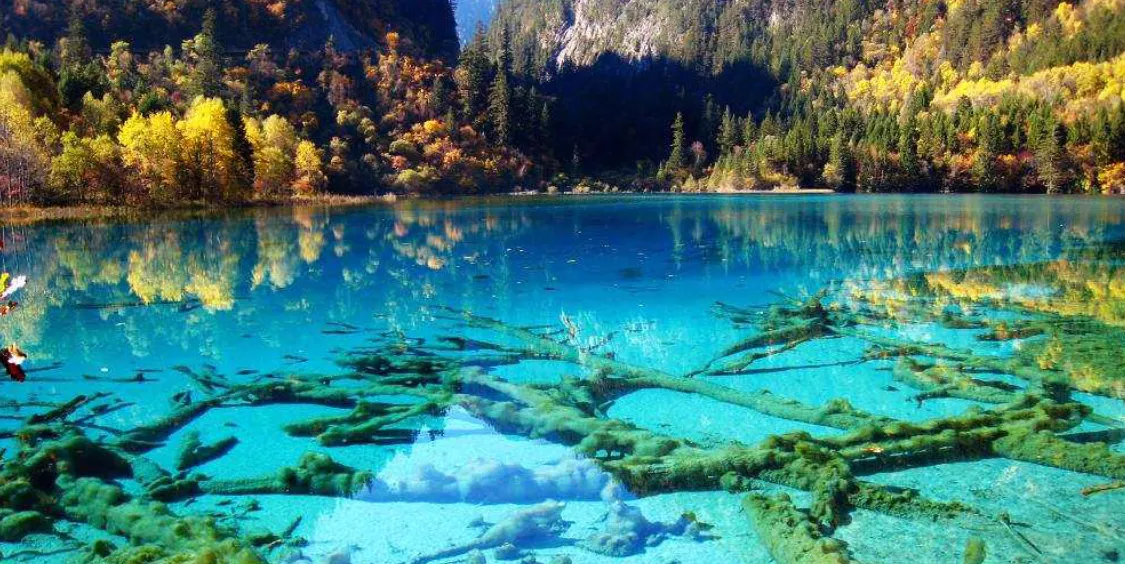
Jiuzhaigou was formed during the Quaternary ancient glacial period, with over 80% forest coverage in its core scenic area. The park features 114 high-altitude lakes, 17 groups of waterfalls, 11 sections of rapid streams, and 5 calcareous terraces—this unique landform type is known as 'alpine karst calcareous pool landscape'.
Jiuzhaigou is famed for six distinctive landscapes: emerald seas, cascading waterfalls, colorful forests, snow-capped peaks, Tibetan culture, and blue ice. A Chinese saying goes, 'After visiting Jiuzhaigou, no other waters are worth seeing,' meaning that once you've seen Jiuzhaigou’s waters, other places seem unimpressive.
Scenic Area Overview
Currently, three Tibetan villages—Shuzheng Village, Heye Village, and Zezhaowa Village—are preserved within Jiuzhaigou Scenic Area. The local residents welcome visitors from all over with warm smiles. The most striking structure is the 'Nine Treasures Lotus Bodhi Stupa' in front of Shuzheng Village. The white stupa shines under sunlight, while colorful prayer flags flutter in the wind. Many tourists here join their hands in prayer and offer quiet reverence.
Jiuzhaigou boasts rich and diverse natural scenery. Snow-capped peaks rise around the area, the lake waters are crystal clear, waterfalls take varied forms, swift currents surge dramatically, and lush forests stretch endlessly. Blue skies, bright sunshine, fresh air, and ancient villages, wooden walkways, and mills scattered throughout the park together create a harmonious and beautiful picture. Local Tibetan people regard Jiuzhaigou as 'sacred mountains and holy waters.' In the East, it is called the 'Land of Immortals'; in the West, it is known as the 'Fairy Tale World'.
Four Seasons in Jiuzhaigou
Spring
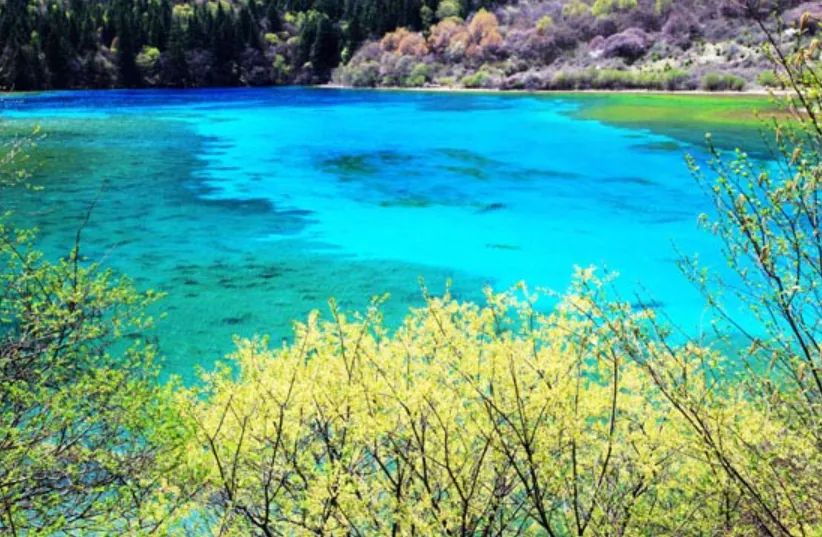
As spring arrives, snow and ice in Jiuzhaigou begin to melt, trees sprout new buds. Lake waters reflect the mountain hues, displaying shades of blue, green, and pale yellow. On calm, sunny days, mountain reflections are clearly visible, forming symmetrical scenes. This season captures the transition between winter and spring: while Longhai Lake at higher elevations remains frozen, wild peach blossoms at lower altitudes have already bloomed, glowing vividly in the sunlight.
Summer
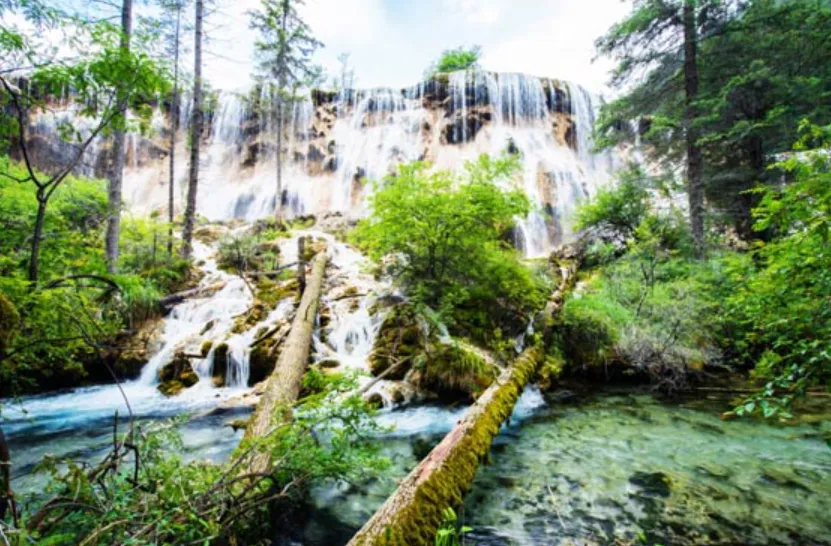
In summer, Jiuzhaigou is covered in dense greenery, making it an ideal destination for escaping the heat. The forest air is fresh and clean, and the lake waters are cool and transparent. Waterfalls swell with abundant flow, rushing joyfully. Cool summer breezes sweep through the valleys, gently swaying the prayer flags. Blue skies, green trees, colorful lakes, and fresh air give visitors a sense of freedom and relaxation.
Autumn
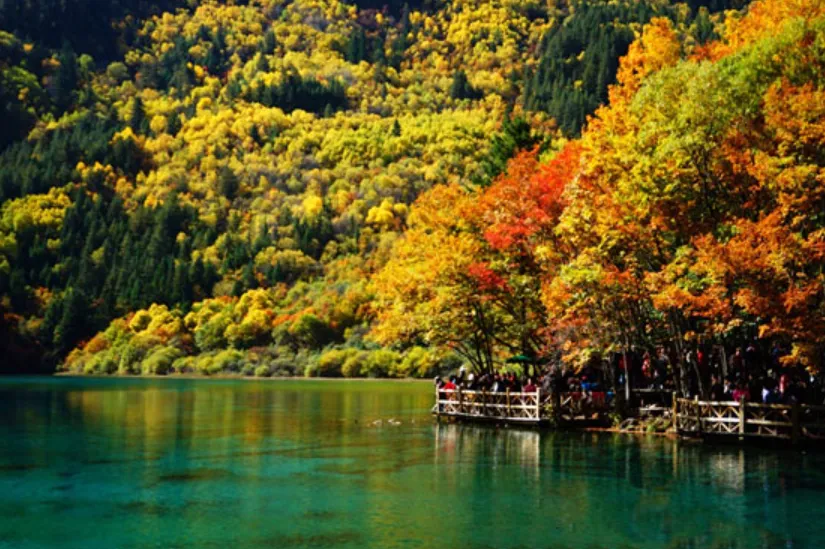
Autumn is the most colorful season in Jiuzhaigou. Trees gradually change from green to gold and crimson, their vibrant hues reflected perfectly in the clear lakes, blending seamlessly with the surrounding mountains. Floating leaves drift across the lake surface, while the sky stretches vast and blue. Under the glow of autumn sun, the entire valley appears tranquil, dazzling, and breathtakingly beautiful.
Winter
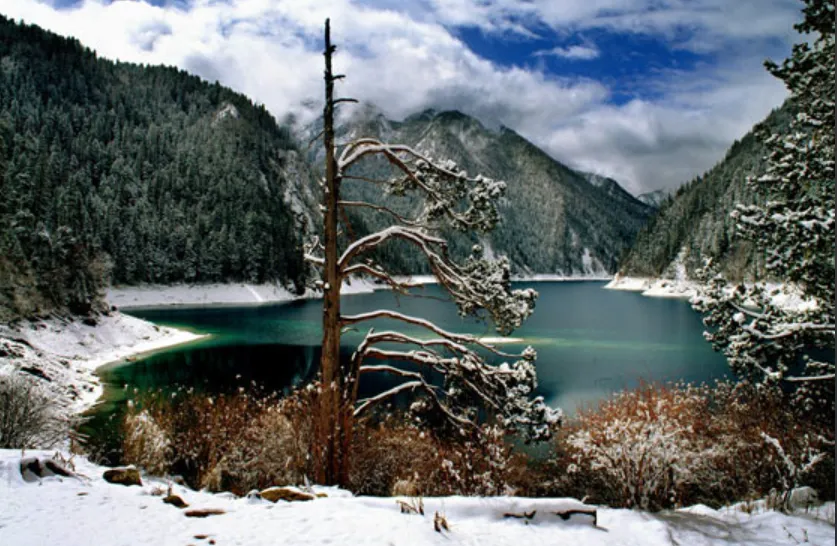
Winter in Jiuzhaigou is profoundly peaceful and poetic. Mountains and forests are blanketed in snow, and waterfalls freeze into massive natural ice sculptures. The blue ice layer on the lakes forms intricate patterns due to temperature fluctuations at sunrise and sunset. Except for Longhai Lake and Panda Sea, whose ice layers can reach up to 60 centimeters thick, other lakes do not fully freeze. Snowflakes fall gently, covering mountains, lakes, and forests, creating a world of pure white serenity.
Scan with your phone to follow.