
Travel Essentials
FAQs
Learn about traveling in Sichuan, China, and our services
How do I apply for a Chinese visa?
The process of applying for a Chinese visa may vary slightly depending on the visa type and the country where you are applying. Below are the general steps:
Determine the appropriate Chinese visa type based on your travel purpose (e.g., tourism, business, study).
Gather all required documents, typically including: passport, visa application form (usually available for download from the embassy website https://www.visaforchina.cn/globle/), and passport-sized photos meeting requirements.
Print and sign the application form, then schedule an appointment at the nearest visa center to submit your documents.
On the day of your appointment, bring all materials to the visa center and pay the relevant fees.
Check your application status online; once approved, visit the center to collect your visa.
You may also choose our visa agency service.
If you're only planning to visit Sichuan, you might not even need a visa. Currently, citizens from 57 countries can benefit from China's 240-hour transit visa-free policy, with Chengdu Shuangliu International Airport and Chengdu Tianfu International Airport both serving as eligible entry points. If your itinerary is limited to 11 cities within Sichuan (Chengdu, Zigong, Luzhou, Deyang, Suining, Neijiang, Leshan, Yibin, Ya’an, Meishan, Ziyang), you may stay up to 240 hours (10 days). Please note this is a transit policy: you must hold confirmed onward tickets with set dates and seats to a third country or region, and your departure and destination must be in different countries. If unsure whether you qualify, feel free to consult us in advance—we’ll verify the latest policy for you.
When is the best time to visit Sichuan?
The 'best' time to visit Sichuan depends on your travel preferences and which areas within the province you wish to explore. Sichuan spans three major geographical zones: the Chengdu Plain, southern Sichuan hilly regions, and western Sichuan plateau—each has significantly different ideal seasons.
Scenic spots in the Chengdu Plain and surrounding areas such as the Panda Base, Dujiangyan Irrigation System, and Qingcheng Mountain are most pleasant in spring (March–May) and autumn (September–November), when temperatures are mild and rainfall is low; while destinations in the western Sichuan plateau like Jiuzhaigou, Huanglong, Mount Siguniang, and Daocheng Yading are best visited from late April to June and late September to October—when wildflowers bloom in the former and forests turn golden in the latter, offering clear skies and crisp air. July and August are the rainy season in western Sichuan, potentially affecting visibility at mountain passes; winter offers snowscapes and hot springs, but requires proper warm clothing. Overall, there’s always a suitable destination in Sichuan regardless of the season.
How many days should I spend in Sichuan?
If you’d like to explore at a relaxed pace and enjoy deeper experiences, we recommend a classic itinerary of 10–20 days covering 4–5 cities or scenic areas. If time is limited and you only want to visit iconic attractions like the Giant Panda Breeding Research Base, Emei Mountain, and the Leshan Giant Buddha, 7–15 days will suffice. If you find visa processing too complicated, you can also take advantage of the 240-hour transit visa-free policy to enjoy a 5–6 day trip within the permitted area of central Sichuan. No matter your budget, schedule, or personal preferences, we can tailor a journey perfectly aligned with your unique interests.
Is it safe to travel to Sichuan?
Absolutely safe. Sichuan enjoys good overall public safety, mature tourism infrastructure, and friendly, genuine locals. Sichuan is one of China’s most popular destinations among global travelers—there’s no need to worry at all.
A few practical tips: some scenic areas in western Sichuan have high altitudes—please ascend gradually and avoid sudden elevation changes. Those with heart or respiratory conditions should consult a doctor beforehand. Mountain roads are often winding and steep; we always assign experienced local drivers and allow ample transfer time. Our guides will provide specific instructions regarding these matters at the beginning of your trip.
How do you select local guides in Sichuan?
We maintain strict standards throughout the entire process of hiring, screening, training, assigning, and evaluating guides, implementing systematic management and comprehensive supervision to ensure the most attentive service experience for our guests.
Experienced guides
Our guides typically have over three years of professional experience and hold nationally recognized tour guide qualifications. They possess broad knowledge and strong expertise, are well-versed in Sichuan’s history, culture, and local customs, and can fully understand and meet diverse traveler needs while handling any unexpected situations effectively.
Multilingual abilities
Our guides usually speak two or more foreign languages fluently, such as English, German, Spanish, French, etc.; many are native Sichuan residents and can also communicate in local dialects. If you have specific language requirements, please let us know in advance.
Strong professional ethics and sense of responsibility
Our guides are committed to customer satisfaction and high-quality service, placing passenger safety first and striving to deliver thoughtful, meticulous care to create an exceptional travel experience.
Customized guides for you
We carefully select the most suitable guide based on each traveler’s age, occupation, interests, language proficiency, religious beliefs, planned destinations, and physical demands of the sites visited, ensuring every guest enjoys a personalized and enjoyable experience.
How do you arrange transportation and vehicles in Sichuan?
Sichuan’s attractions are widely scattered across different regions, and some mountain roads in western Sichuan are long and full of curves—making vehicle quality and driver skill especially important. We focus on the following key aspects:
Safety
Vehicle safety performance is the most critical technical criterion in tourism services. We regularly assess vehicles by examining factors such as age, safety features, tires and brakes, lighting, and maintenance cycles—only vehicles meeting safety standards are used for passenger transport.
We implement comprehensive safety oversight of drivers, plan driving routes carefully, strictly enforce driving time and speed limits; drivers undergo regular safety training to strengthen awareness, comply with traffic laws, and prioritize safe driving throughout the entire service process.
Comfort
All vehicles are equipped with air conditioning and maintain a comfortable temperature throughout the journey. Vehicles are in excellent condition, well-insulated, produce minimal vibration, and offer smooth rides, with spacious interiors allowing passengers to move freely and stretch during travel.
4 or fewer people: sedan or minivan (7 seats)
4–8 people: mid-size minibus (12 seats)
8–15 people: small coach (14–22 seats)
15–25 people: Medium-sized bus (33–37 seats)
25–40 or more people: Large bus (45–53 seats)
Clean
The vehicle's exterior and interior are kept clean and odor-free, with a thorough cleaning conducted after each day's journey. The driver is dressed appropriately, ensuring a professional and proper appearance.
How do you arrange hotels in Sichuan?
We have direct cooperation with over 200 hotels across Sichuan, covering locations from Chengdu to Jiuzhaigou, Emei Mountain, and Daocheng Yading, ensuring comfortable accommodations for every itinerary.
Convenient location
We prioritize hotels near popular attractions, business districts, and food streets. In Chengdu, we often arrange stays near Chunxi Road, Kuanzhai Alley, or the Panda Base; in scenic areas, we choose accommodations that minimize transfer time, making it convenient for shopping and exploring local cuisine.
Reliable brands
Based on guest preferences, our hotel arrangements include well-known international hotel chains as well as reputable local hotel brands in Sichuan. We emphasize comfort and safety, providing a worry-free, thoughtful experience with high satisfaction.
Good reputation
When selecting hotels, we consider online reviews and ratings, as well as recommendations from industry peers, choosing only those with strong reputations.
Wide variety of choices
We match different hotel categories and types according to customer preferences, ranging from standard hotels to luxury properties, boutique hotels, and themed accommodations, offering diverse and personalized experiences.
How do you arrange meals?
Sichuan is a paradise for food lovers. No matter where you are within the province, you can enjoy authentic local specialties—ranging from the spicy and fragrant flavors of Chengdu’s Sichuan cuisine to the sweet and sour tastes of Yibin, the fire-pit barbecues of Xichang, and yak meat dishes from the Tibetan region. During your trip, we will arrange certain meals to ensure you savor a rich variety of regional delicacies even within limited time, creating unforgettable culinary memories.
Restaurant selection
Selected restaurants are clean and hygienic.
High-quality ingredients and excellent food presentation.
The chosen restaurants are popular among local diners.
Meal arrangements take into account travel convenience.
Regular evaluation of restaurant service quality.
Accommodating dietary preferences
We balance international tastes with local specialties.
Meals are arranged according to customer preferences and dietary needs.
If guests have allergies to certain foods, or require vegetarian, halal, or other special diets, please inform us in advance—we will do our best to accommodate.
Read more
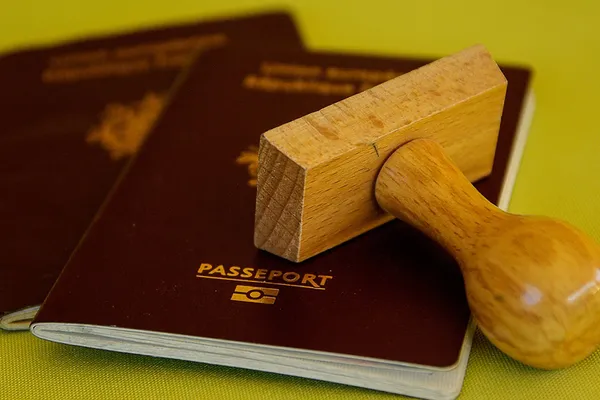
China's visa-free entry policy
As of September 2026, China has opened 30-day visa-free entry for ordinary passport holders from 50 countries worldwide. This guide helps you quickly determine if you qualify for visa-free entry, understand the regulations, entry procedures, and important considerations.
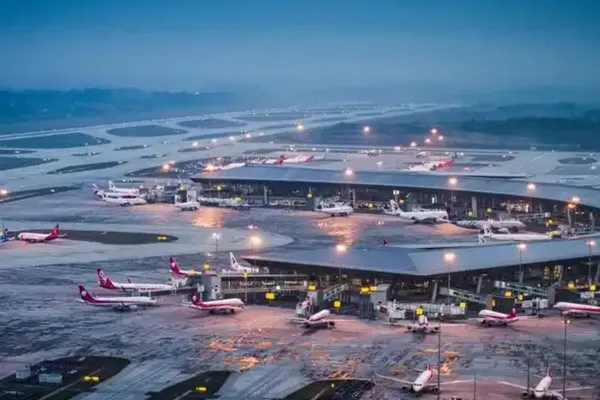
China 240-Hour Transit Visa-Free Complete Guide
The 240-hour transit visa-free policy is a facilitation measure introduced by China for citizens of 57 countries, allowing foreigners with connecting flight tickets to travel from China to a third country or region to stay visa-free for up to 10 days within designated areas across 24 provinces (regions and municipalities). This guide systematically outlines the latest applicable list of 57 countries as of September 2026, four essential eligibility requirements, the 240-hour time calculation rules, 65 open ports of entry, eligible provinces and regional restrictions, along with multiple classic travel itineraries and common misconceptions. Whether you're an international transit passenger or planning to take advantage of the transit opportunity for short-term business or tourism, this guide will help you precisely plan your itinerary, ensuring compliance, smooth passage, and efficient use of this policy.

A Complete Guide to Using WeChat When Traveling in China
WeChat is like a universal key in China. Install it, complete identity verification, and link your card before traveling abroad—your trip to China will go from "impossible to move" to "smooth access with just one QR code." Have a wonderful journey! Note: Fees, limits, and city coverage policies may change; please refer to the official WeChat Pay Help Center and the latest announcements from local attractions and transportation services.
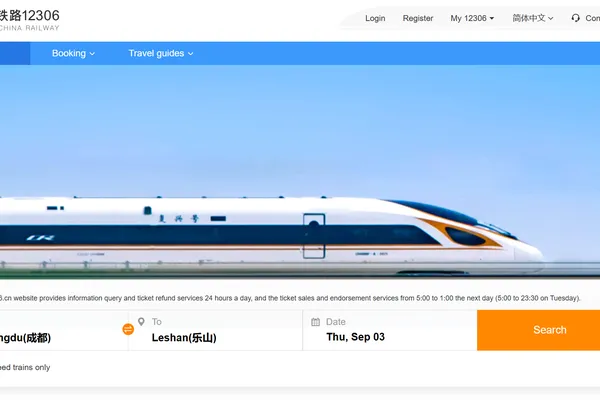
12306 Guide – Complete Handbook for Foreign Travelers Purchasing Train (High-Speed Rail) Tickets in China
Welcome to China! China boasts one of the longest and most efficient high-speed rail networks in the world, making train travel an excellent way to explore this vast country. The official 12306 ticketing system may seem unfamiliar to first-time visitors from abroad, but this guide will walk you through every step—from account registration and identity verification to boarding—helping you travel smoothly across China.
Contact us now to plan your private journey
We are available 7 days a week, 24 hours a day to provide you with high-quality, professional service.
Start planning
Scan with your phone to follow.