
I. How to Get to Western Sichuan
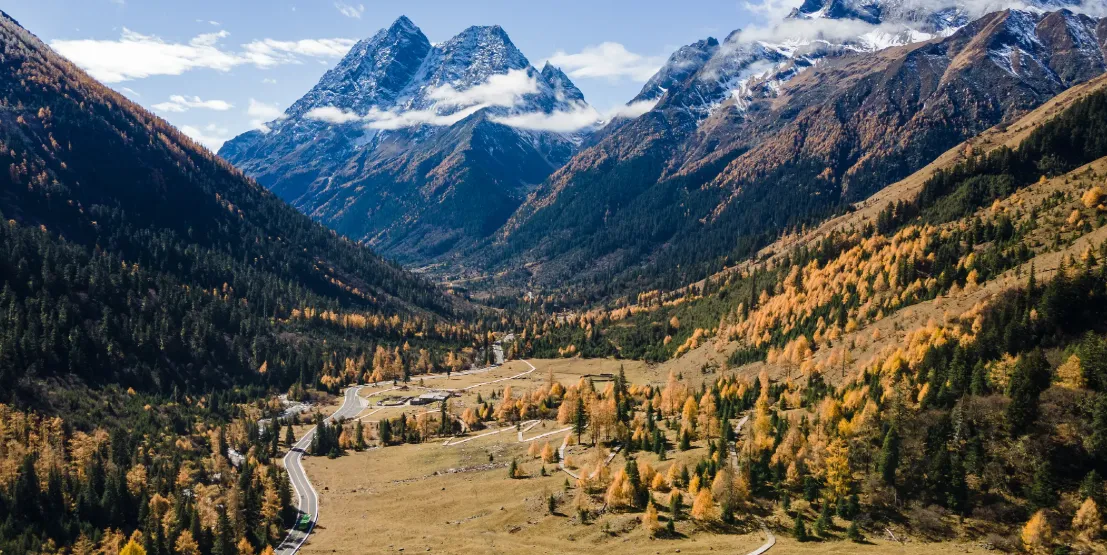
Western Sichuan typically refers to the plateau and mountain tourism zones in western Sichuan Province, including certain counties and cities in Aba Prefecture and Garzê Prefecture. Major destinations include mountainous areas near Chengdu, Mount Siguniang, Damba, Kangding, Xinduqiao, Litang, Daocheng Yading, and Seda. International travelers usually arrive in Chengdu first, then use Chengdu as a base to visit various scenic spots.
1. International Flights to Chengdu
Chengdu primarily uses Shuangliu International Airport and Tianfu International Airport. Both airports connect with domestic flights, high-speed rail, and long-distance shuttle buses. If you're only visiting Western Sichuan, simply book your flight to 'Chengdu'.
2. Chengdu to Major Scenic Areas
- Mount Siguniang (Siguniang Town, Xiaojin County): Approximately 320–330 km from Chengdu by car, with some routes passing through Dujiangyan, Yingxiu, Lixian, or Wulong; many mountain roads, with regular driving time around 5–6 hours.
- Kangding: Accessible via Ya’an and Erlangshan, or via Dujiangyan and Damba; the route through Ya’an using highways and national roads is more common and suitable as the first stop for acclimatization to high altitude.
- Daocheng Yading (Xianggelila Town, Daocheng County, Garzê Prefecture): About 750–760 km from Chengdu by car, typically requiring two days or an overnight stop; alternatively, fly directly from Chengdu to Daocheng Yading Airport, with a flight duration of about 1 hour.
- Seda: Around 720–730 km from Chengdu by car, passing through Ma’erkan and Wengda, or via Daofu; long distance with significant elevation changes—unsuitable for first-time visitors to high altitude to plan a tight schedule.
3. Recommended Transportation Options
- Private Car/Small Group Tour: Most convenient. Western Sichuan has many winding mountain roads, weak signal coverage in some sections, and landslides are common during rainy season—experienced drivers familiar with local conditions are preferable.
- Direct Shuttle/Buses: Tourist direct buses or shared rides operate between Chengdu and places like Mount Siguniang and Daocheng Yading, but schedules vary by season.
- Self-Driving: Only recommended for travelers with prior experience driving on high-altitude mountain roads; international visitors must confirm their driver’s license is valid and that insurance covers high-altitude routes.
- Train: High-speed or conventional trains run from Chengdu to nearby cities, but most Western Sichuan scenic areas are not accessible by direct rail service and still require transfer to buses.
II. Do You Need Documents?
Most standard routes in Western Sichuan do not require travel permits similar to those needed in Tibet. International travelers need only prepare the following materials:
- Valid passport, with validity covering the entire Chinese itinerary;
- Valid Chinese visa, or eligibility under visa-free or transit visa-free arrangements;
- Present original passport when checking into hotels, purchasing scenic tickets, or boarding domestic flights/trains.
Visa and Visa-Free Summary Rules
- Citizens of certain countries may enjoy unilateral visa-free access to China, typically allowing stays of no more than 30 days per entry, subject to the latest bilateral agreements;
- 240-hour transit visa-free policy applies to eligible passengers on connecting international flights through third countries; both Chengdu Shuangliu and Tianfu Airports fall within the applicable ports;
- If only transiting China without leaving the port area, a separate 24-hour transit rule applies.
Special Cases
- Sites such as the Seda Larong Five-Year Buddhist College, certain border villages, undeveloped mountain areas, or military-controlled zones may have restricted access, require reservations, or be temporarily closed to foreigners; confirm daily policies with your travel agency before departure.
- If your itinerary continues from Western Sichuan into Tibet, you must apply for a separate travel permit according to Tibet’s regulations—this cannot be combined with Western Sichuan arrangements.
- Checkpoint inspections along the way may check passports or accommodation registration records; keep copies and electronic versions of your passport readily available.
Differences from Tibet's Template: Western Sichuan does not issue 'sticker-style' travel permits, nor does it mandate guided tours throughout the journey. However, when visiting remote locations, temples, or border areas, foreign travelers are advised to make reservations and submit itineraries through authorized travel agencies.
III. Recommended Trip Duration
| Days | Route | Suitable for |
|---|---|---|
| 3 days | Chengdu — Sichuan Giant Panda Breeding Research Base (Shuangqiao Gou) — Danba — Xinduqiao — Chengdu | First-time visitors, limited time, concerned about altitude sickness |
| 5 days | Chengdu — Kangding — Xinduqiao — Litang — Daocheng Yading — Return | Most international tourists |
| 7 days | Add Zedaka, Moshikong Park, and Tagma Grassland to the above itinerary, or take the route Danba — Jinchuan — Malian — Zedaka | Photography enthusiasts, Tibetan culture lovers, long-term travelers |
Note: The 'number of days' in Western Sichuan includes transfer time. Flying directly to Daocheng Yading Airport and then touring Yading can reduce ground travel time, but arriving directly at high altitude increases the risk of altitude sickness.
IV. Weather & Clothing
Western Sichuan experiences large temperature differences between day and night, with significant cooling at higher elevations—always bring thermal layers year-round.
- Spring (April–May): Some valleys bloom with pear blossoms and rhododendrons; even at high altitudes, mornings and evenings remain cold, requiring down jackets or fleece.
- Summer (June–August): Grasslands are lush and green, but July–August is the rainy season, prone to landslides and temporary traffic control; waterproof shoes and raincoats are essential.
- Autumn (September–October): Most regions are stable, offering excellent conditions for colorful forests, snow-capped mountains, and clear blue skies; October is particularly popular.
- Winter (December–February): Some mountain passes and side trails may be closed due to snow; Daocheng Yading might also limit visitors or close entirely due to weather; only recommended for travelers with prior high-altitude experience.
Dressing Tips (Layering):
- Inner layer: Quick-dry long sleeves; Mid layer: Fleece or lightweight down; Outer layer: Windproof and waterproof hiking jacket.
- Bottoms: Lightweight hiking pants, add thermal layers in winter; Footwear: Non-slip hiking shoes.
- Accessories: Sunglasses, hat, gloves, scarf, sunscreen. UV radiation is strong at high altitudes—physical protection is more reliable.
V. Internet, Payments & Language
- Internet: Wi-Fi is widely available in hotels in Chengdu and major county towns; mobile networks are generally accessible in Sichuan’s western regions including Siguniangshan, Kangding, Xinduqiao, and Shangri-La Town of Da County, but signal may drop in mountain passes, canyons, and remote temple areas. Save important addresses, offline maps, and hotel phone numbers on your phone in advance.
- Payments: International credit cards and Apple Pay/Google Pay are accepted in major cities, though many small shops, gas stations, and scenic area transport services rely on Alipay/WeChat Pay. International travelers can activate passport-linked wallets or carry sufficient RMB cash.
- Language: English service is relatively common in Chengdu; main tourist sites have English and pictorial signage, but local restaurants and roadside stops in towns may only speak Chinese. It’s recommended to prepare bilingual itineraries including hotel names, driver contact info, and emergency medical facilities.
VI. Altitude Sickness Risks
Sichuan’s western region isn’t entirely high-altitude, but core attractions reach 3,000–4,700 meters. Key reference elevations:
| Location | Location Approximate Elevation |
|---|---|
| Sightseeing endpoint of Shuangqiao Gou in Sichuan Giant Panda Breeding Research Base (Red Cypress Grove) | Approx. 3,900 meters |
| Xinduqiao | Approx. 3,300+ meters |
| Litang County | Approx. 4,014 meters |
| Daocheng Yading (Milk Sea / Five-Colored Sea) | Approx. 4,600 / 4,700 meters |
| Zedaka County and Buddhist Monastery Area | 3,000–4,000 meters depending on location |
Common Symptoms: Headache, dizziness, nausea, fatigue, insomnia, increased heart rate, decreased appetite; severe cases may lead to pulmonary or cerebral edema. There have been public reports of tourists requiring hospitalization or even dying due to severe altitude sickness in Daocheng Yading and Siguniangshan—do not treat this as trivial.
Prevention Tips:
- Stay one night in Chengdu (~500m) before entering Kangding/Siguniangshan (2,500–3,200m), then gradually ascend higher. Avoid flying directly into Daocheng and climbing Milk Sea the same day.
- Staying at a lower altitude the night before is safer than going up to a high point during the day and returning to a lower altitude at night; follow the high-altitude principle of 'sleeping at a relatively lower elevation'.
- Avoid intense exercise, running fast, shouting loudly, or lifting heavy objects within 1–2 days after arrival; wash hair and bathe cautiously based on personal sensation; getting a cold increases the risk of severe altitude sickness.
- Drink plenty of water, consume moderate carbohydrates (rice, noodles, porridge, fruits), avoid alcohol and greasy food.
- Those with heart disease, lung disease, anemia, sleep apnea, or a history of severe altitude sickness should consult a doctor 4–8 weeks before departure. Prepare medication as prescribed—do not self-medicate using internet remedies.
- Consider bringing a finger pulse oximeter; however, readings are just references—symptoms matter more.
What to do if altitude sickness occurs:
- Mild headache or shortness of breath: Stop ascending, rest, hydrate, and use low-flow oxygen intermittently. Most cases improve within 24–48 hours.
- Persistent severe headache, vomiting, chest tightness, coughing pink frothy sputum, confusion, or unsteady gait: Immediately descend 300–500 meters or more, call for help, or seek medical care immediately—do not ‘push through’ to see the sights.
- At sites like Daocheng Yading and Siguniangshan, inform staff: “altitude sickness / 高反” to request medical assistance, oxygen, and rescue services.
VII. Can Sites Temporarily Reject Foreign Visitors?
- Winter Snow/Ice: Some mountain passes and side trails may be closed; access to Yading, Zedong, and Xinduqiao areas might be restricted temporarily.
- Rainy Season Landslides: July–August, road conditions on G318, G317, and some provincial mountain roads are unstable—temporary traffic restrictions are common.
- Religious/Large Events: Zedong, Buddhist Monastery, and certain temples may limit visitor numbers or restrict foreign guests; funeral sites such as sky burial grounds are sensitive—follow rules prohibiting food, photography, and pointing at corpses.
- Policy Changes: A few border villages and undeveloped mountain areas may close without prior notice. Avoid overpacking your itinerary—leave at least one buffer day.
VIII. Cultural & Behavioral Guidelines
- Temples: Do not wear shorts or slippers inside main halls; never point at Buddha statues; do not step on thresholds; some halls prohibit women or photography—check signs.
- Circumambulation & Mountain Circumambulation: Always move clockwise; never go against the flow or behave playfully.
- Tibetan Villages & Monastic Dwellings: Ask permission before photographing people; drone use and private entry into monastic quarters are prohibited in many areas, especially in Zedong’s red houses.
- Environmental Protection: High-altitude ecosystems recover slowly—carry trash back down; do not harvest herbs, dig up grasses, or chase wildlife.
- Tipping: Tipping is not mandatory in China, but you may tip tour drivers or guides optionally—cash or Alipay/WeChat Pay both acceptable.
IX. Pre-Departure Checklist (For International Travelers)
- Passport, visa/visa exemption proof, flight itinerary; photocopy of passport + digital copy on phone.
- Hotel reservation confirmation, car rental/driver contact info, daily altitude chart.
- Domestic SIM card or international roaming plan; offline maps.
- Alipay/WeChat linked cards or RMB cash; small denominations for toilets, parking, and small transport fees.
- Layered clothing, sun protection, sunglasses, hat, lip balm; regular medications + altitude sickness medication (as prescribed by doctor).
- If visiting Daocheng Yading long route, Zedong, or Litang: Get a pre-travel cardiopulmonary evaluation and purchase travel insurance that includes high-altitude rescue and medical evacuation.
Read more
China's visa-free entry policy
As of September 2026, China has opened 30-day visa-free entry for ordinary passport holders from 50 countries worldwide. This guide helps you quickly determine if you qualify for visa-free entry, understand the regulations, entry procedures, and important considerations.
China 240-Hour Transit Visa-Free Complete Guide
The 240-hour transit visa-free policy is a facilitation measure introduced by China for citizens of 57 countries, allowing foreigners with connecting flight tickets to travel from China to a third country or region to stay visa-free for up to 10 days within designated areas across 24 provinces (regions and municipalities). This guide systematically outlines the latest applicable list of 57 countries as of September 2026, four essential eligibility requirements, the 240-hour time calculation rules, 65 open ports of entry, eligible provinces and regional restrictions, along with multiple classic travel itineraries and common misconceptions. Whether you're an international transit passenger or planning to take advantage of the transit opportunity for short-term business or tourism, this guide will help you precisely plan your itinerary, ensuring compliance, smooth passage, and efficient use of this policy.

A Complete Guide to Using WeChat When Traveling in China
WeChat is like a universal key in China. Install it, complete identity verification, and link your card before traveling abroad—your trip to China will go from "impossible to move" to "smooth access with just one QR code." Have a wonderful journey! Note: Fees, limits, and city coverage policies may change; please refer to the official WeChat Pay Help Center and the latest announcements from local attractions and transportation services.
12306 Guide – Complete Handbook for Foreign Travelers Purchasing Train (High-Speed Rail) Tickets in China
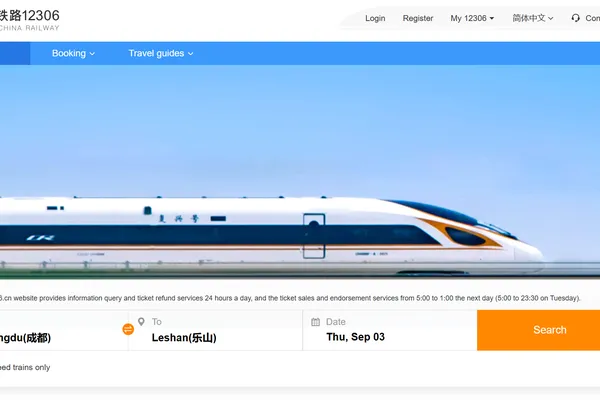
Welcome to China! China boasts one of the longest and most efficient high-speed rail networks in the world, making train travel an excellent way to explore this vast country. The official 12306 ticketing system may seem unfamiliar to first-time visitors from abroad, but this guide will walk you through every step—from account registration and identity verification to boarding—helping you travel smoothly across China.
Contact us now to plan your private journey
We are available 7 days a week, 24 hours a day to provide you with high-quality, professional service.
Start planning
Scan with your phone to follow.