
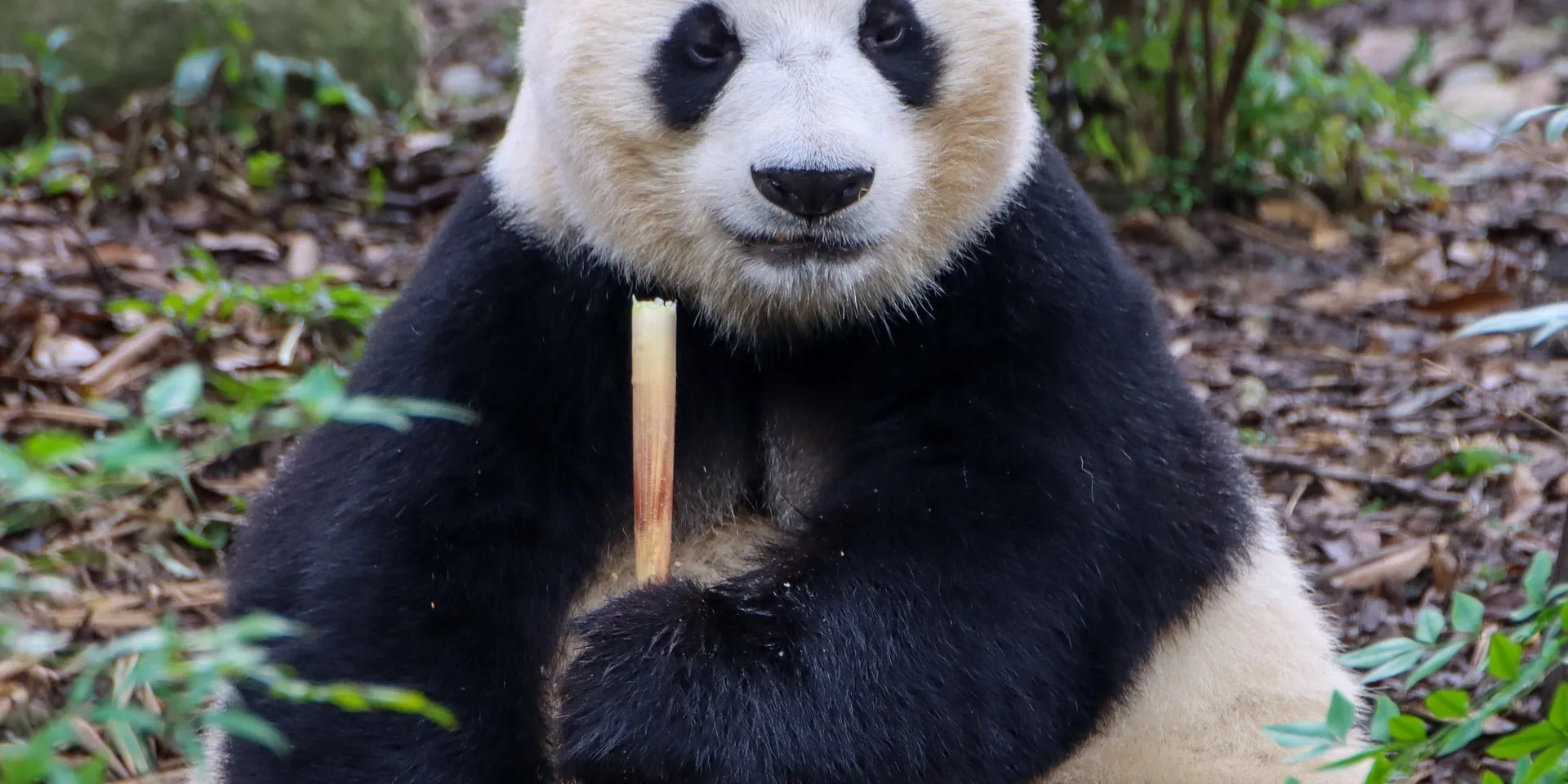
Wolong is not a zoo
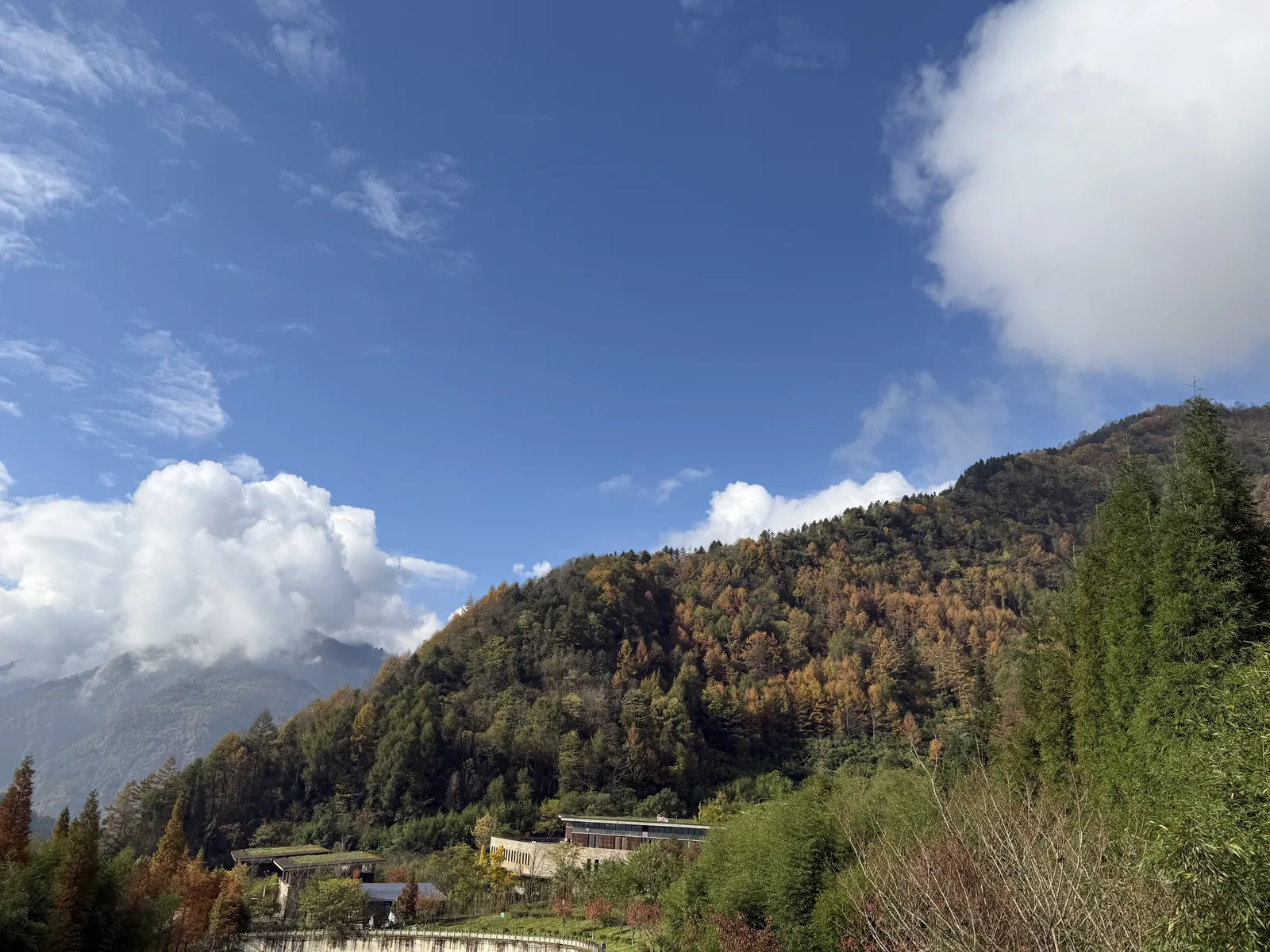
Wolong is located in Wenchuan, Sichuan Province, part of the Giant Panda National Park’s Wolong section.
Its uniqueness is simple: it’s not in a city—it’s right within the wild habitat of giant pandas. Around the base, real wild pandas live on the surrounding mountains.
The whole world knows what a giant panda looks like.
Few people know what a panda’s home looks like.
In Wolong, you can go in and see for yourself.
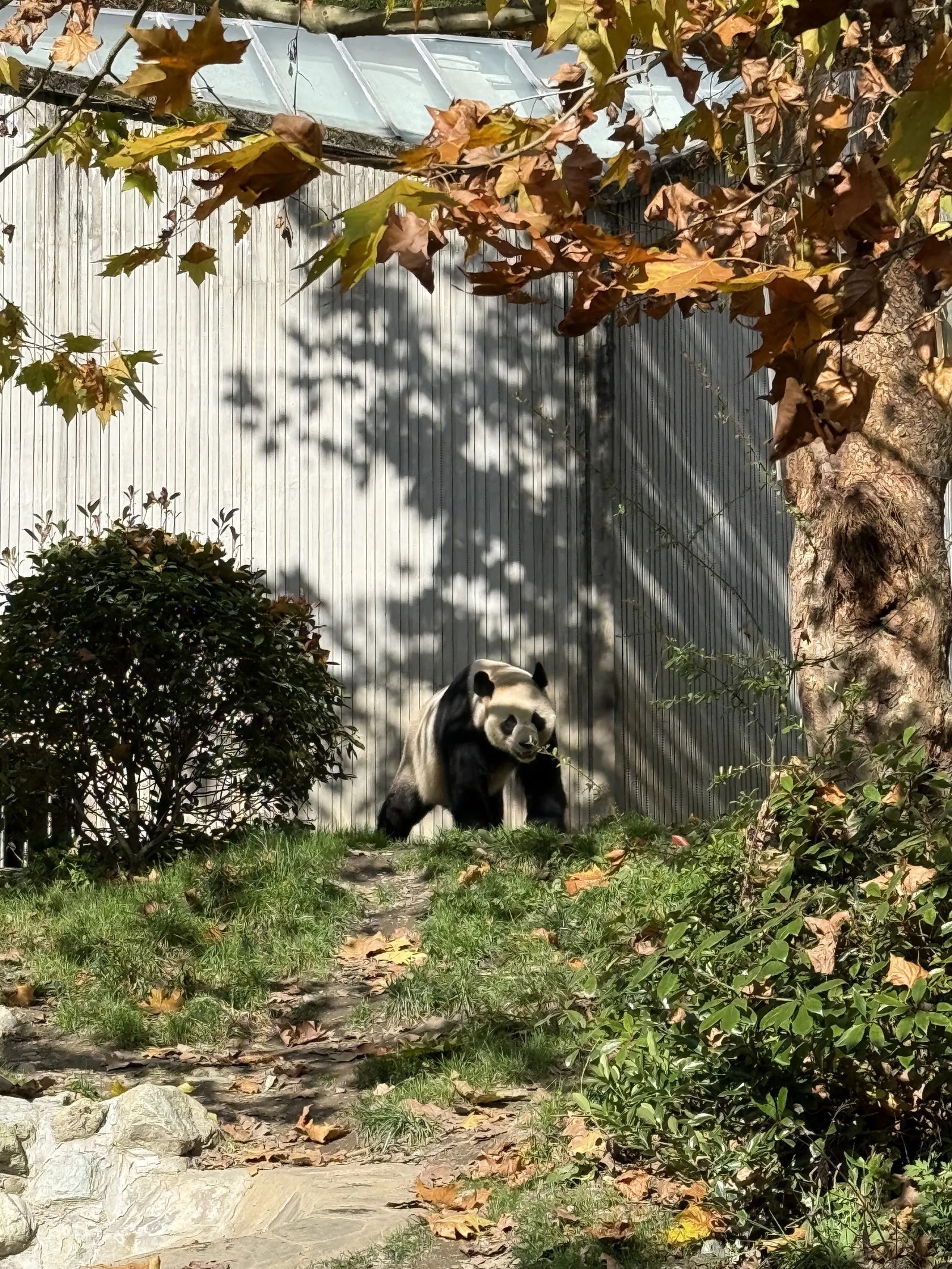
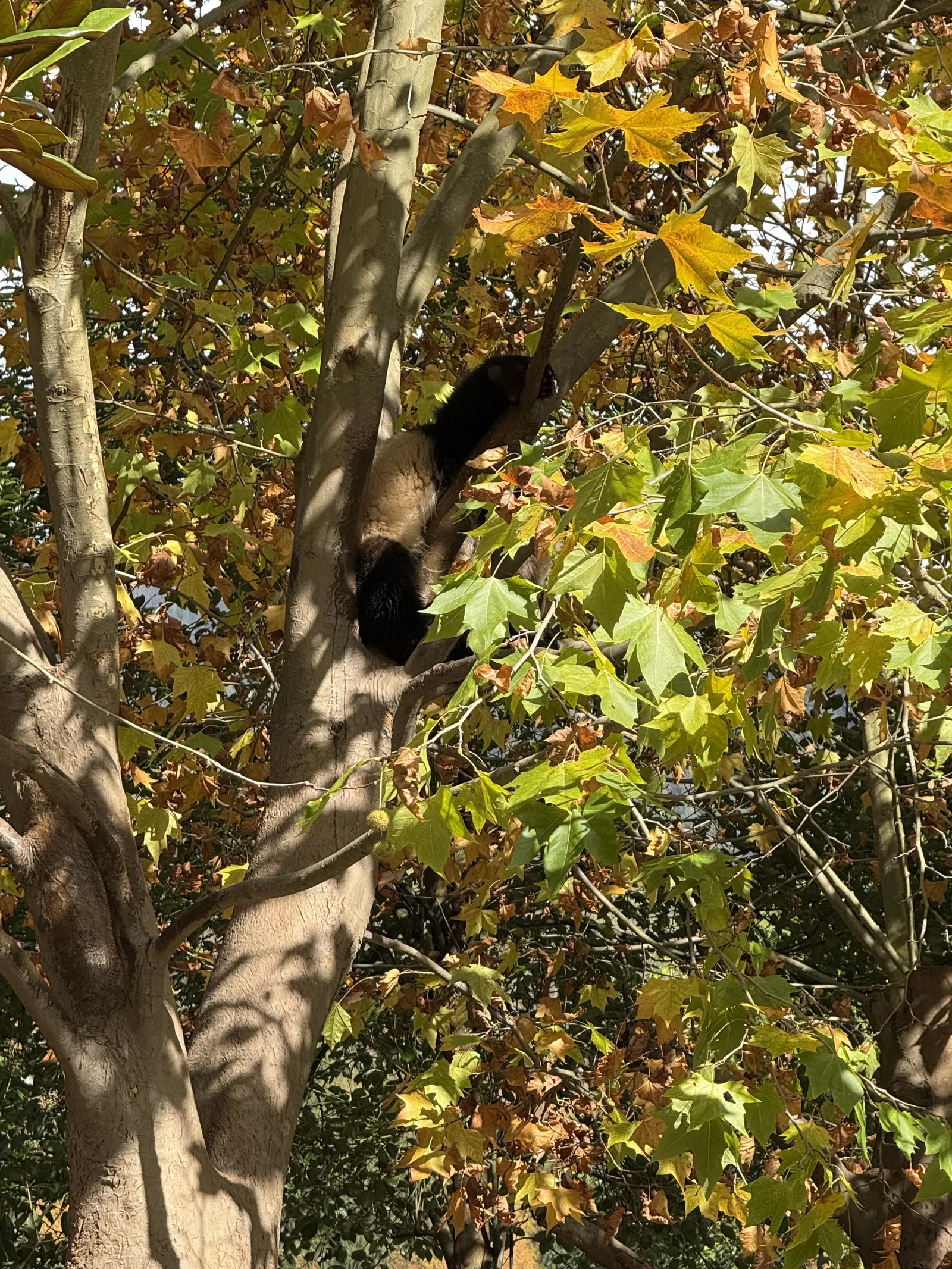
Here, you can do things you can’t do elsewhere
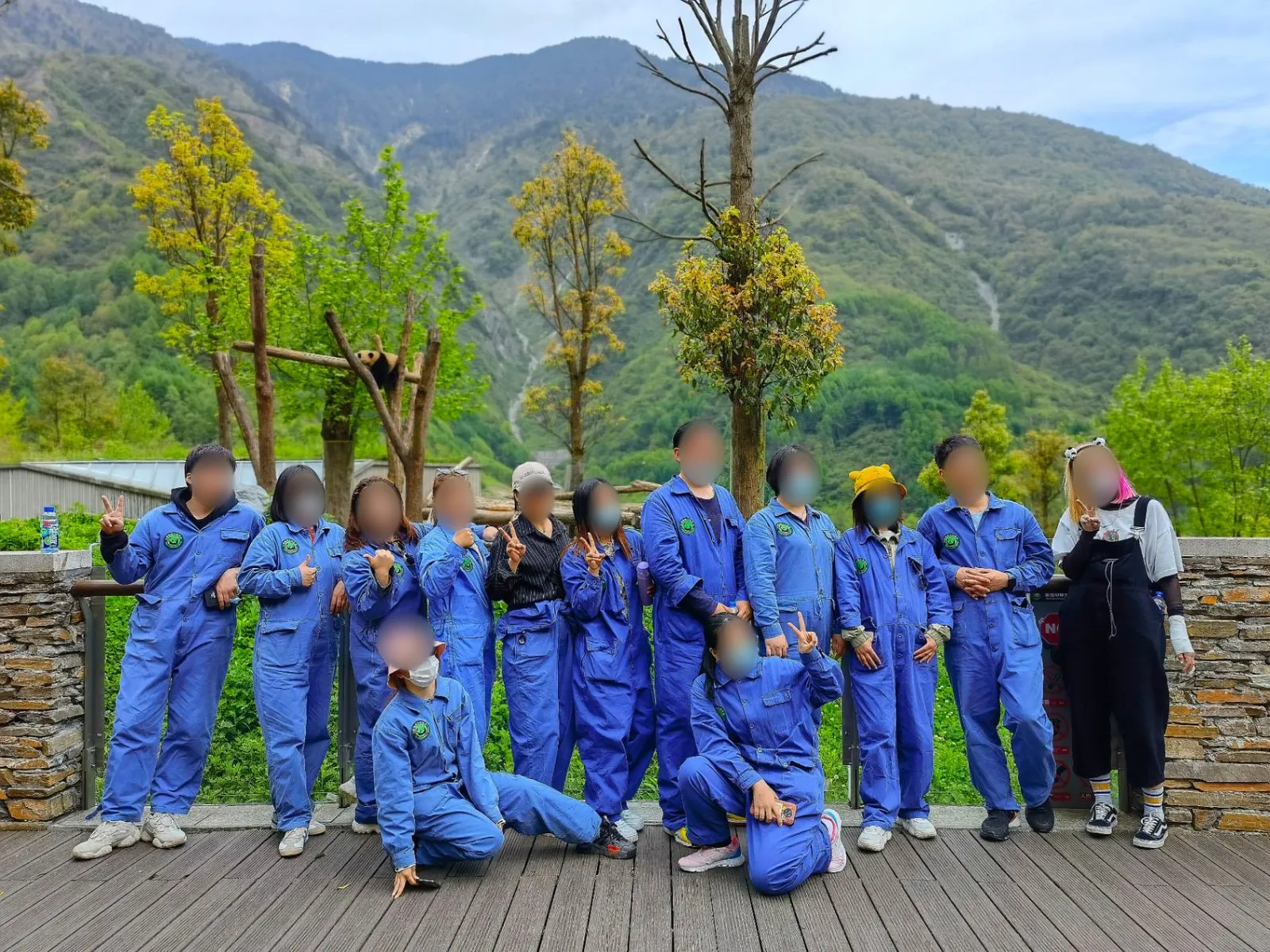
Be a staff member at the base for a day.
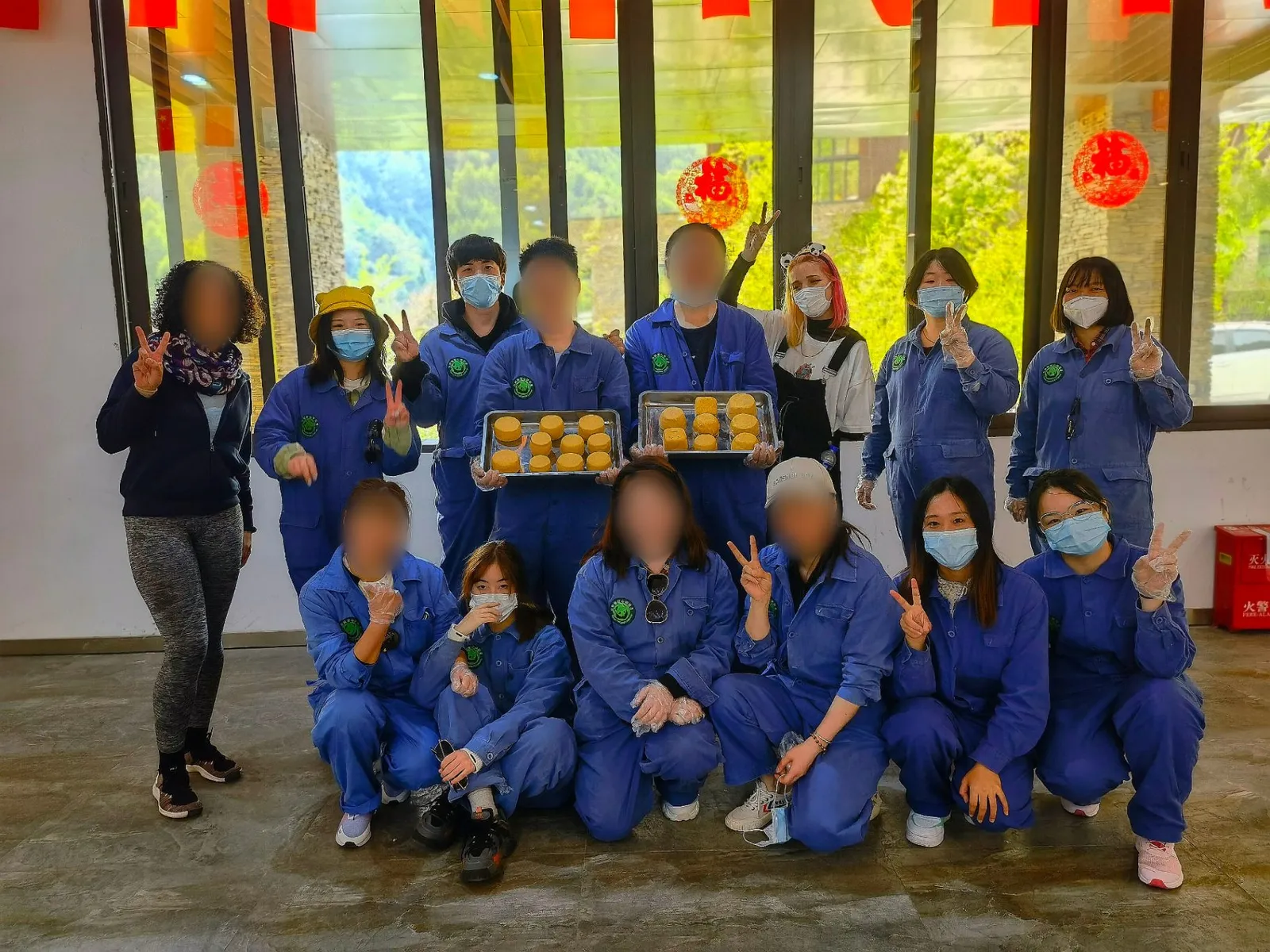
Not standing outside the railing—but stepping inside. Attend pre-shift training, put on work uniforms and gloves, stand beside keepers, and watch them feed the pandas.
In the afternoon, learn about panda nutrition and digestive systems, make ‘panda dumplings’ with your own hands. Then conduct real scientific analysis: examine panda feces.
It may sound unromantic. But this is how researchers understand panda health.
Enter the wild.
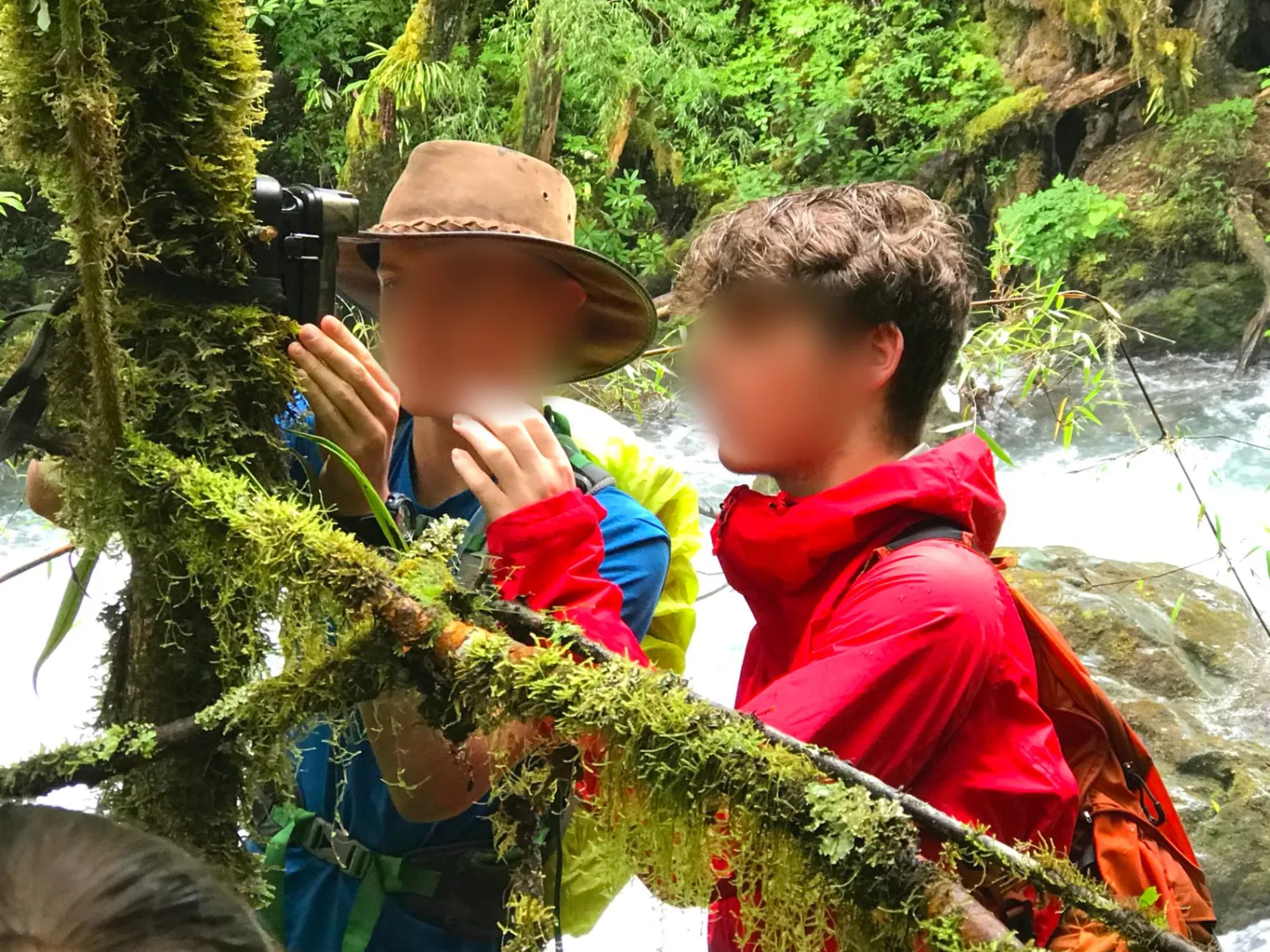
Put on hiking shoes, follow field research instructors into the wild habitat of giant pandas.
You’ll learn one thing: how scientists know whether pandas are present in the mountains. They rarely see pandas directly—but they can read the clues left behind by pandas.
This is a lesson, with classrooms above 2,000 meters elevation and teachers who are panda experts.
Visit the village.
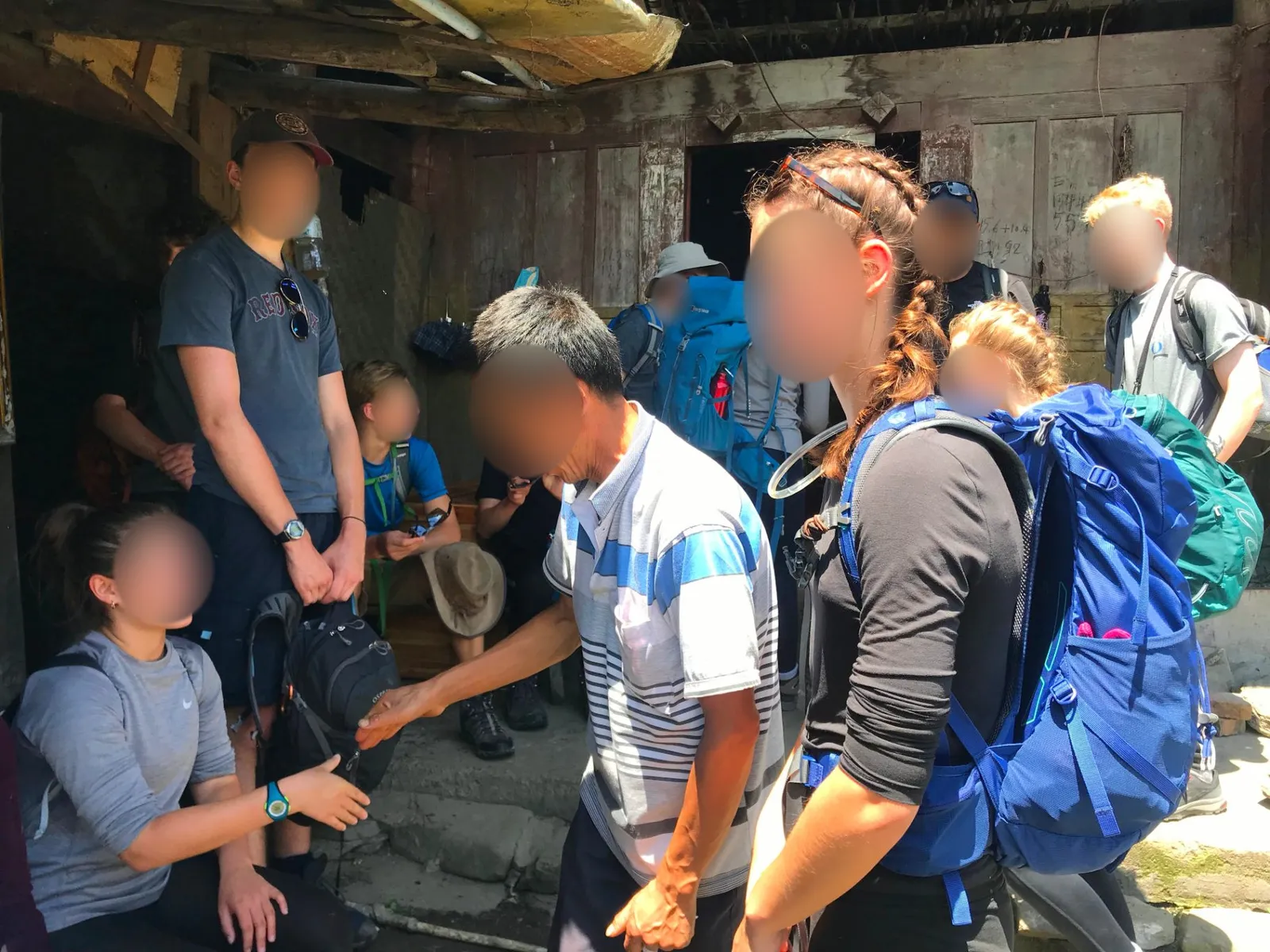
The national park isn’t just about pandas—it also includes thousands of local residents. They farm, graze livestock, and keep bees, living side by side with pandas for generations.
You’ll sit down and chat with them, hear about their lives, and also listen to their struggles.
This part is rarely included in most tour packages.
Leave something behind with your own hands.
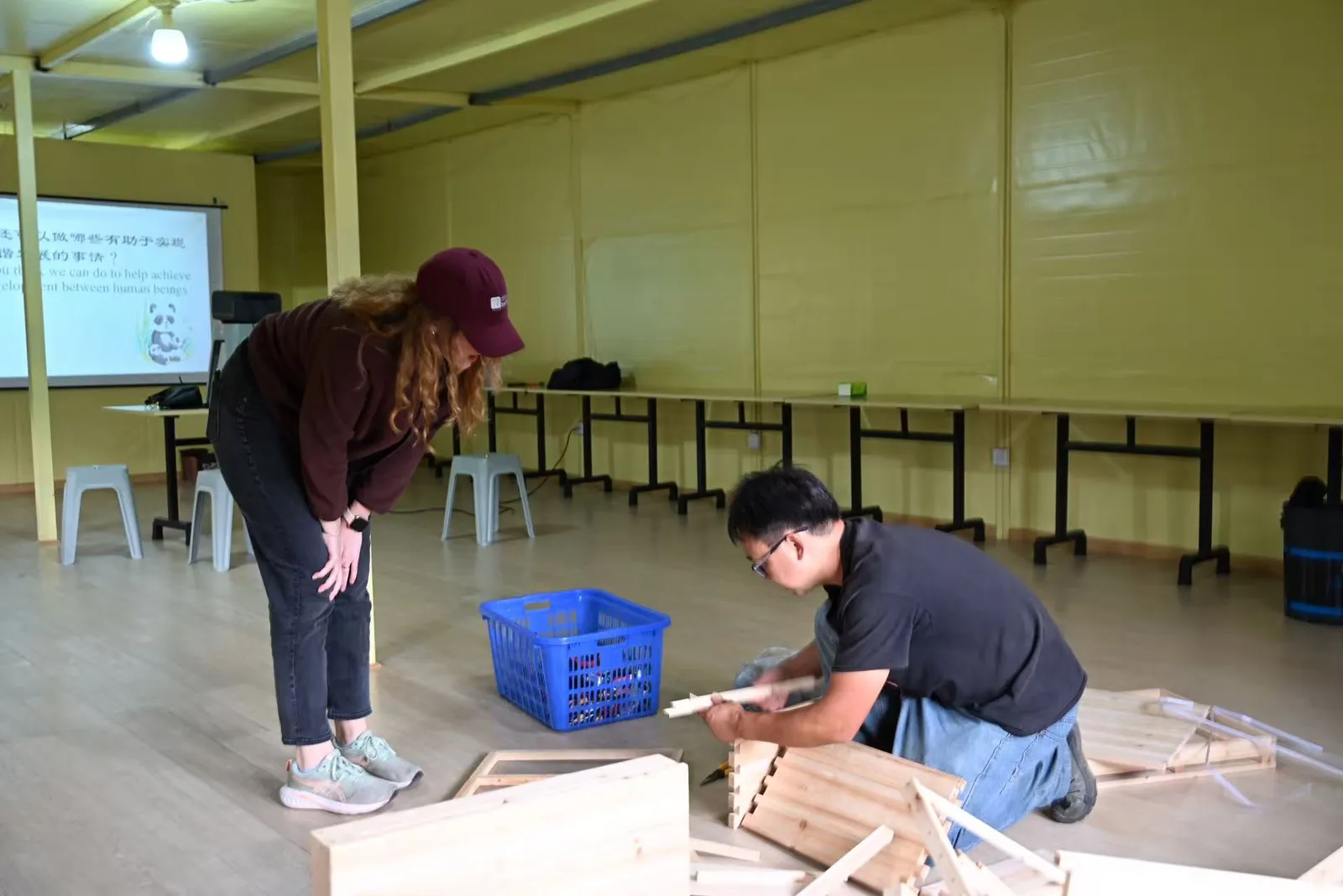
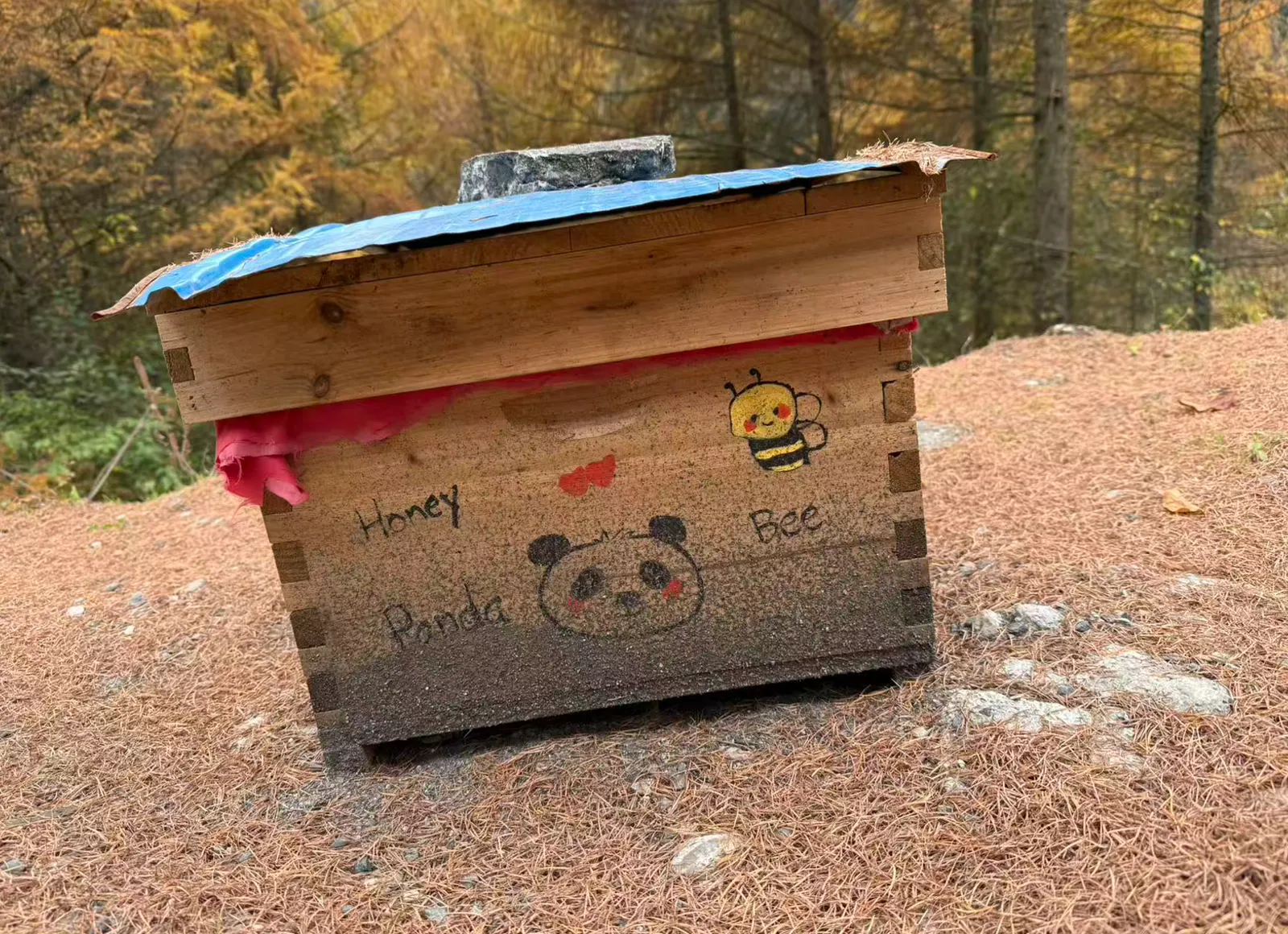
Learn to build a beehive, then gift it to a local family still practicing pastoralism.
Or plant a patch of bamboo, or build a section of trail.
Years later, you can return to see how it has grown.
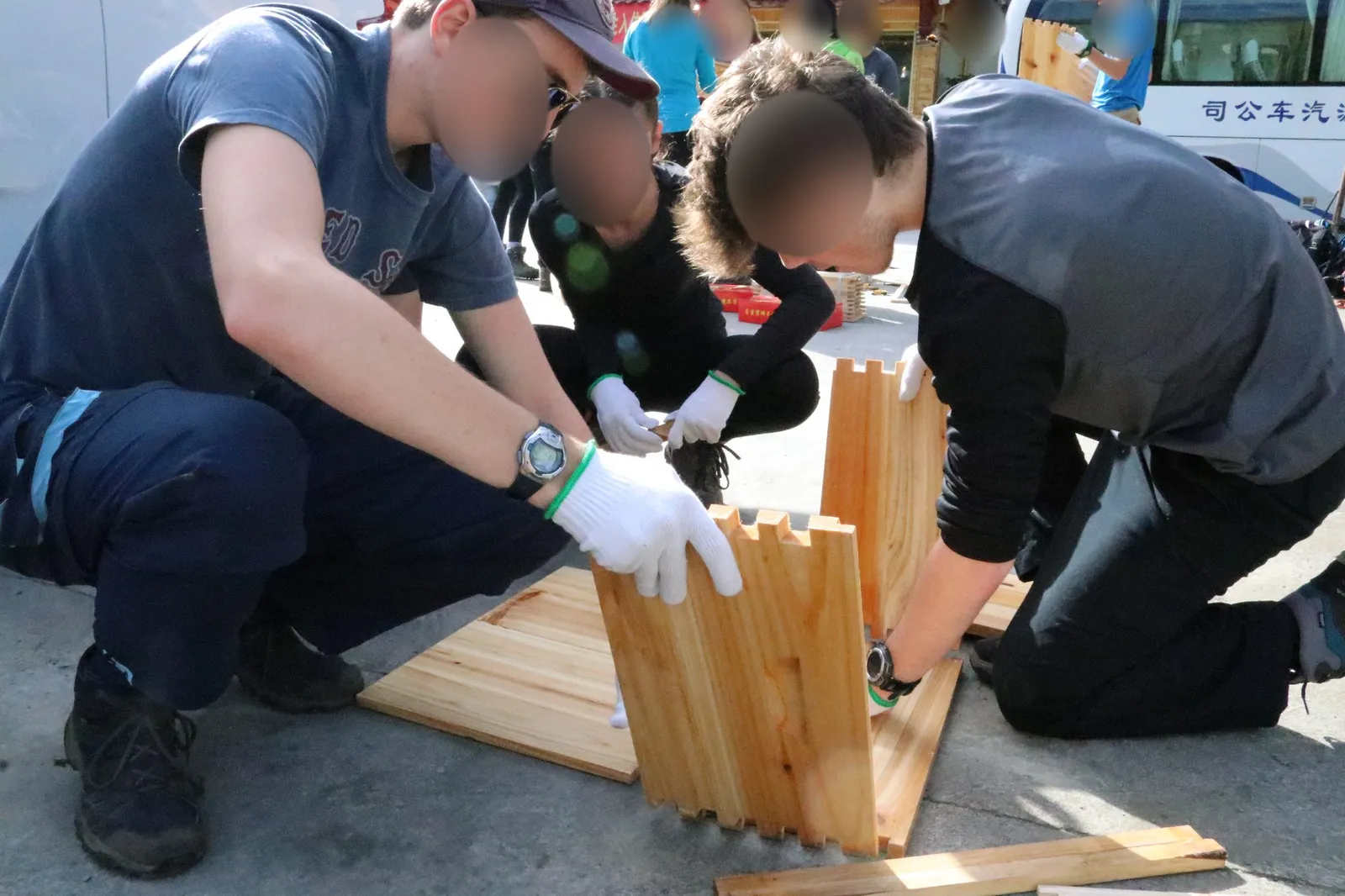
Why is a beehive part of conservation?
This is the most important part of the entire story.
First: cattle and sheep eat the bamboo that pandas depend on.
Grazing in giant panda habitats—cattle and sheep consume bamboo and trample bamboo forests, leading to habitat degradation, which causes pandas to leave.
Wolong has already banned horse grazing in the habitat—the horses would eat all the arrow bamboo from top to root. But cattle and sheep are still allowed.
Why?
Because if they were banned, these families would lose their income.
Second: compensation for panda-related damage is insufficient.
The reserve has purchased wildlife damage insurance for farmers. But a four-year-old cow, worth between five to six thousand yuan, receives full compensation of only 1,800 yuan.
Wild boars damage crops and even kill sheep. Civets bite and kill chickens. When plums ripen, wild boars use their bodies to knock trees down, shaking the fruit to eat it.
To locals, these animals were once merely 'agricultural pests'.
The third issue: income generated by pandas is not reaching ordinary people.
Entrance fees and educational programs bring tens of millions of yuan annually to Wolong. But ordinary villagers benefit very little.
As Mr. Wan put it: no local resident has become wealthy because of giant panda conservation.
That's how beehives work:
You provide hives to farmers; the association signs an ecological protection agreement with them, and you buy back honey each year at a fair price.
When beekeeping income exceeds that from grazing, the household must make a choice: should they sell their cattle and sheep?
If they do, they have made a real contribution to grazing bans.
And you are part of this effort.
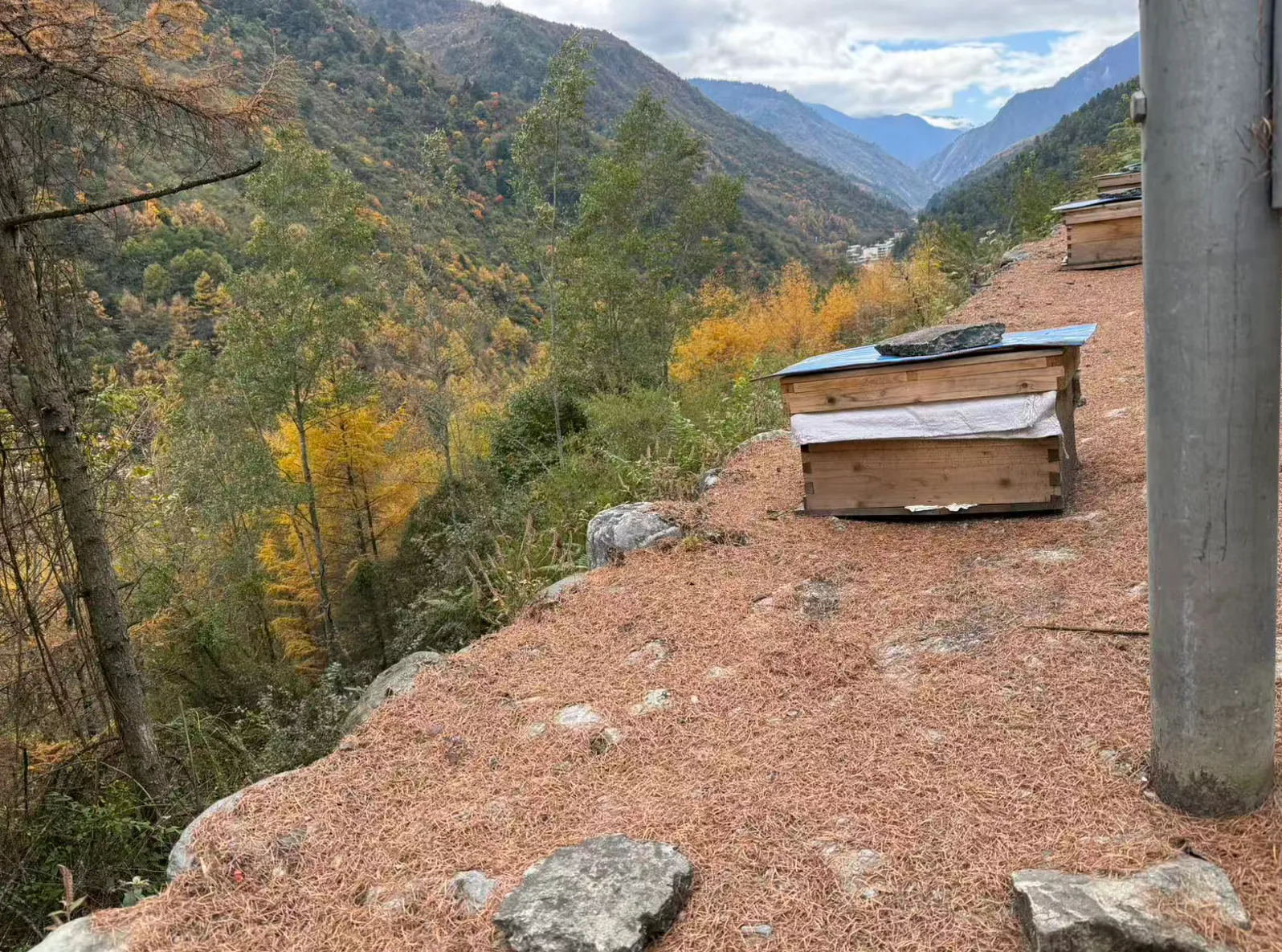
Mr. Wan first demonstrated it himself.
His name is Wan Fu Gui, a native of Wolong.
When he was a child, wild boars, civets, Chinese water deer, and red-bellied pheasants lived in the shrubs behind his house. They came out at night to destroy crops. To survive, his family cleared away the shrubs.
He said this wasn't intentional destruction—it was a necessity for survival.
Later, a British birdwatching expert hired him to drive. At the time, he didn’t understand: why would foreigners travel so far just to watch birds? And they can’t even eat them.
But the pay was too good to refuse, so he went. While they birdwatched outside, he slept in the car.
Over time, he bought binoculars and a camera. Later, he could lead tours himself.
Only then did he realize: what we take for granted holds immense value.
Five years ago, he enclosed the mountain land he used for grazing, planting bamboo, wild medicinal herbs, and wild fruits.
In 2021, a villager filming sheep grazing captured a wild giant panda walking outside the enclosure.
Where does your participation go?
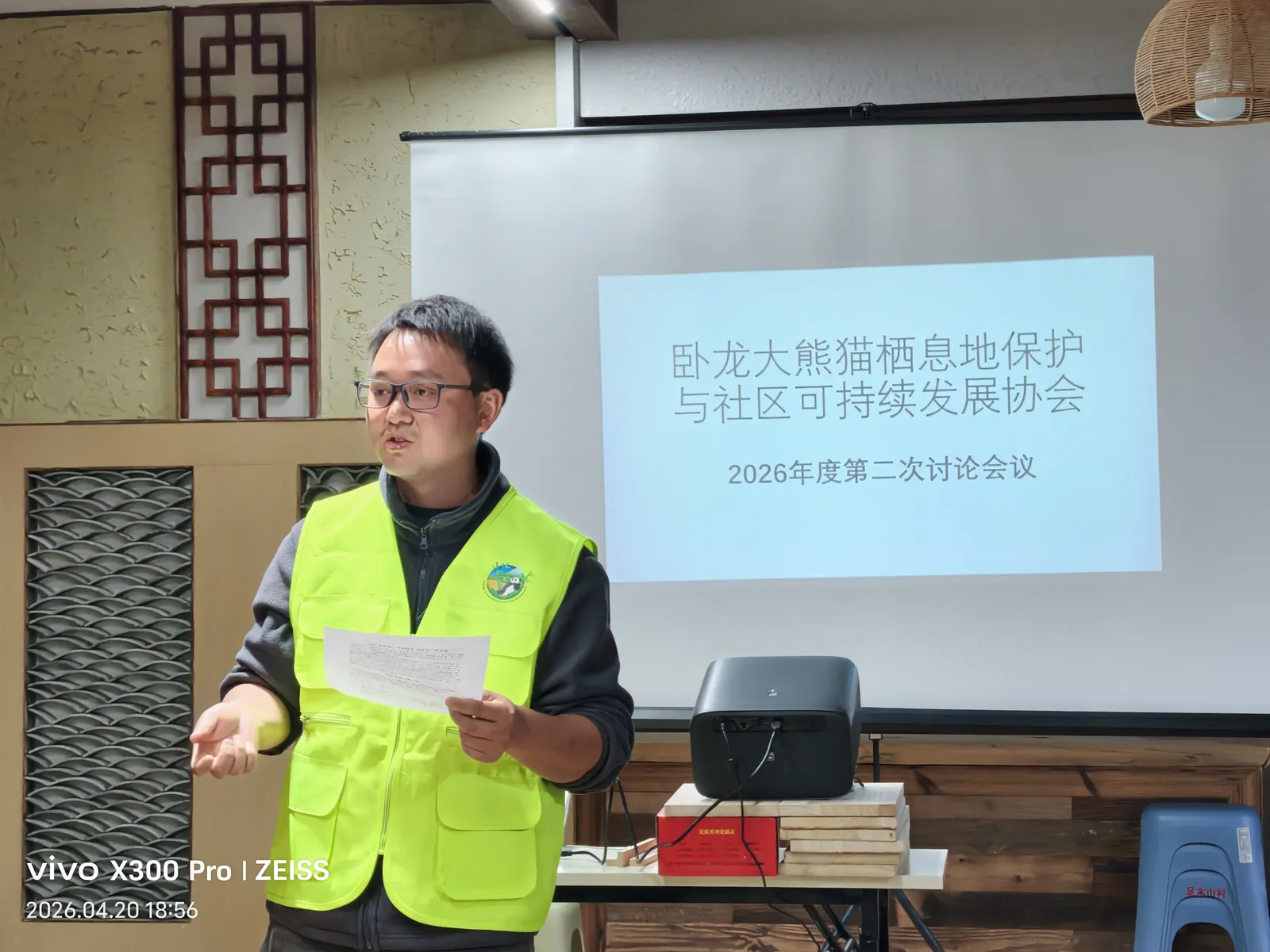
A portion of the proceeds from these experiences goes into the 'Wenchuan County Wolong Giant Panda Habitat Conservation and Community Sustainable Development Association'.
The association was founded in August 2024 by Mr. Wan Fu Gui, supported by an expert team led by Professor Zhang Heming, a renowned panda specialist.
Funds are used for: planting bamboo in the wild and restoring habitats; supporting panda research; providing supplementary compensation for wildlife-caused damages; training community members as nature educators; and funding local students who wish to stay in Wolong to complete their education.
Guides are available in English, French, and Spanish.
A few honest words
We do not allow close contact with giant pandas at any time. Absolutely not.
Any promotion claiming you can get close to giant pandas is false.
Wilderness hiking requires physical fitness. The altitude is high, the weather cold, and early rising is necessary. Please honestly assess your physical condition.
Some activities may be adjusted based on the health of the pandas and scientific research needs. Please understand.
How far has panda conservation come?
Captive giant pandas have grown from just over ten to more than 700. Wild pandas have increased from a low of about 1,100 to around 1,900 today.
In 2016, the International Union for Conservation of Nature downgraded the giant panda’s status from 'Endangered' to 'Vulnerable'.
But this does not mean protection is no longer needed.
The fourth national survey found over 1,800 wild pandas, yet they are fragmented across 33 separate areas. Of these, 18 populations number fewer than ten individuals.
Today’s conservation is no longer just about confiscating hunting guns.
It’s about restoring habitats, building ecological corridors, and enabling isolated populations to reconnect.
There's one more issue that remains unresolved: how to improve the lives of people living in the mountains through conservation.
This problem isn't unique to China. Wherever there are protected areas worldwide, there are herders and conflicts between people and wildlife.
Wolong is trying an answer:
Make conservation a source of income, and let income feed back into conservation.
What you take away isn't just photos
Most trips, you take home photos.
Here, you might take something else.
The number of a beehive. The location of a bamboo shoot. The name of a farmer.
And perhaps a letter years later, telling you what your first honey of the year tasted like, and how much taller the bamboo grove on the mountain has grown.
You come here not just to see pandas.
You become part of the solution.

Scan with your phone to follow.