
Association Overview
Institutional Basic Information
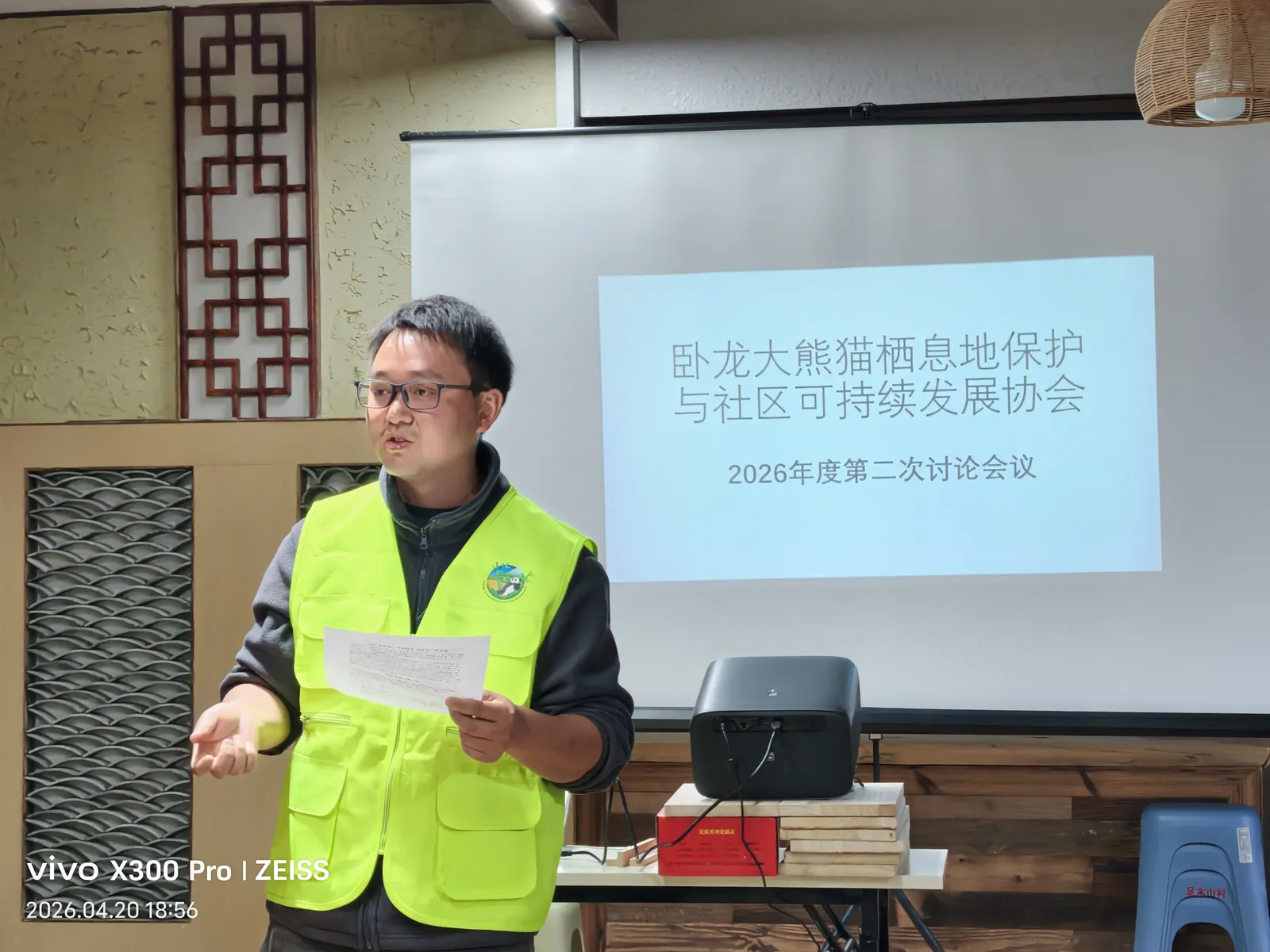
Institution Name: Wenchuan County Wolong Giant Panda Habitat Conservation and Community Sustainable Development Association
Established: August 2024
Core Positioning: A non-profit organization centered on giant panda habitat conservation, linking communities to achieve a win-win outcome between ecological protection and sustainable development
Mission and Vision: Protecting the home of Wolong’s giant pandas, fostering coexistence between ecological conservation and community prosperity, and providing a 'Wolong Model' for global biodiversity conservation
Founding Motivation: Why We Chose This Path of Mutual Protection
- Warnings from Ecological Crisis: As a core habitat for giant pandas, Wolong faces threats such as habitat fragmentation, climate change impacts, and human interference, making urgent protection of panda living space essential.
- Challenges in Community Development: The local community has long relied on traditional resource use methods, creating conflict between economic development and ecological protection. Without balance, conservation achievements cannot be sustained.
- Inevitable Mutual Engagement: Chairman Wan and the founding team deeply realized that 'conservation without community involvement is short-sighted, and development without ecological support is unsustainable.' This led to the establishment of the institution’s dual-driven philosophy of 'Conservation + Community'.
Core Projects: What We Are Doing
Overall, ordinary people don't care much about giant panda conservation, and the core reason is that their income has no 'direct' connection with protection efforts. On the contrary, because Wolong is home to giant pandas, national ecological protection regulations are stricter, greatly restricting local development—such as the area's abundant natural landscapes and tourism resources cannot be developed due to its protected status, causing Wolong to remain merely a transit point for tourists rather than a destination. Tourists pass through without stopping or spending, making it difficult for community economies to grow! In short, the giant panda has made Wolong famous worldwide, but precisely because of this, Wolong faces extremely strict protection and development restrictions.
(1) Giant Panda Conservation Project
- Giant Panda Habitat Restoration Project: Planting bamboo in the wild to restore habitats for giant pandas.
- Research Support: Funding and supporting scientific research projects led by giant panda experts to advance panda-related science.
- Wildlife Damage Compensation Fund: Providing supplementary compensation beyond insurance payouts when wildlife causes property damage to local residents, alleviating human-wildlife conflicts.
- Exploring Environmentally Friendly Industries: Investigating higher-yield environmentally friendly industries compared to traditional livelihoods (e.g., grazing, herbal medicine collection), offering alternative economies for locals and contributing to grazing bans and habitat protection.
(2) Community Sustainable Development Program
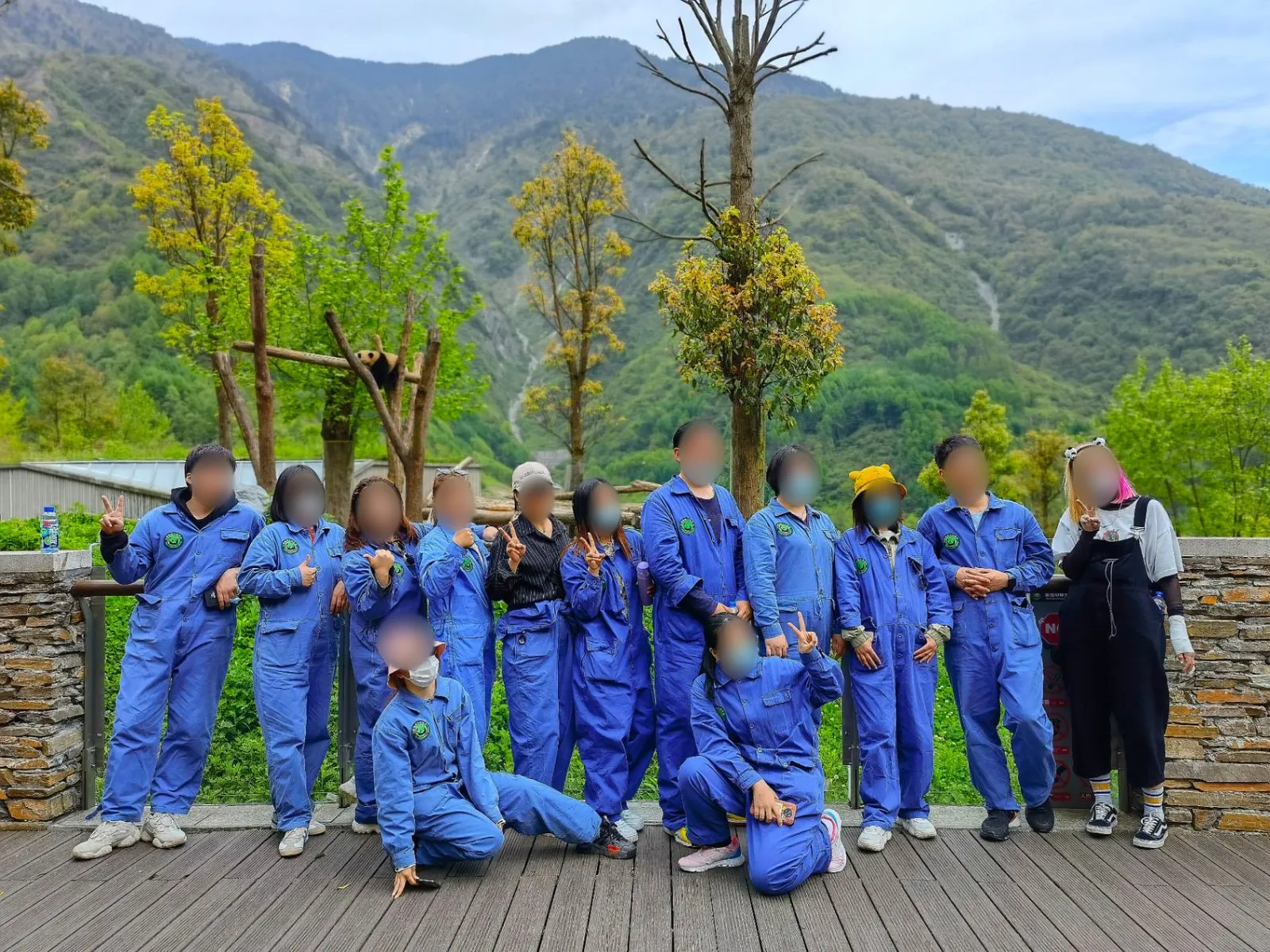
- Ecological Industry Development: Training community members to participate in panda-themed ecotourism, such as becoming panda guides or nature education instructors, enabling them to directly benefit from ecotourism and enhancing their motivation to protect the environment.
- Education and Capacity Building: Conducting environmental awareness lectures and skill training workshops to improve community residents’ ecological conservation consciousness and sustainable development capabilities.
- Sustainable Talent Scholarship Program: Supporting local students who wish to stay in Wolong and work in giant panda conservation and community sustainability by funding their education, helping build a talent pool for long-term development.
- Exploring Environmentally Friendly Industries: Investigating higher-yield environmentally friendly industries compared to traditional livelihoods, offering alternative economic opportunities for local residents.
(3) Chairman Wan’s Pilot Initiative: Integrated Project of Wild Giant Panda Habitat Restoration and High-End Ecotourism
Five years ago, President Wan established in a village in Wolong the region's first community-led pilot project combining wild giant panda habitat restoration with high-end eco-tourism development. He fenced off his family's traditional grazing land, planting bamboo and other resource-rich plants—including wild native medicinal herbs and wild fruits usable by both wildlife and villagers. Bamboo not only serves as food for giant pandas but also provides habitat for other animals. In 2022, villagers were even photographed by a herder while tending sheep, capturing a wild giant panda wandering outside the project’s fenced area—proving that pandas do indeed inhabit this region. President Wan’s efforts are clearly meaningful.
(4) The Beehive Project: Linking Communities through Collaboration
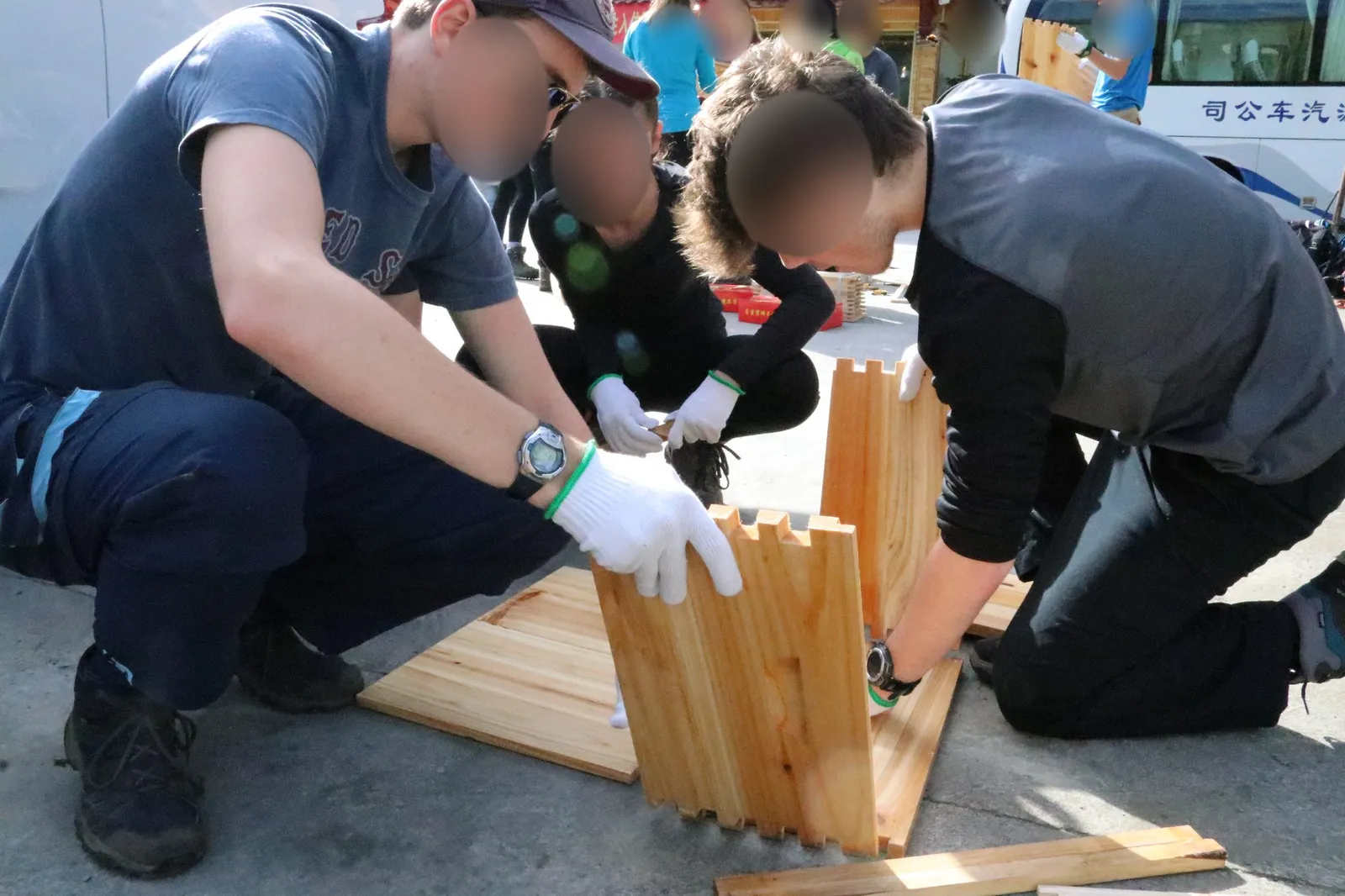
President Wan launched the 'Beehive Project,' establishing a link between panda conservation advocates and local communities: visitors handcraft beehives donated to farmers still engaged in resource-extractive industries (mainly livestock grazing), and the association signs environmental-friendly industry transition agreements with them. Visitors can adopt beehives they've built and donate them to farmers; customers then purchase honey annually at a reasonable price. Once this income matches the farmer’s former pastoral earnings, if continued support from the association is still needed, the farmer must choose—selling off their cattle and sheep—to make a tangible contribution to the protected area’s grazing ban and giant panda habitat preservation.
Challenges Faced: Obstacles on the Journey
- Funding shortage: Current funds are drawn from meager revenues generated by eco-tourism activities. Ongoing investments are required for ecological restoration materials, community training programs, community support initiatives, scholarship funding, and compensation for wildlife-related damages—all of which face significant challenges in fundraising.
- Talent Bottleneck: There is a scarcity of professionals who understand both ecological conservation and community work. Local talent development takes time, and attracting external talent is limited by geographical constraints.
- Balancing Dilemma: Some community members expect short-term economic gains, conflicting with long-term ecological goals. Coordinating interests among various parties requires significant effort.
- Natural Risks: Extreme weather and pest outbreaks may damage habitat restoration outcomes, increasing uncertainty in conservation work.
Future Plans: Where We Aim to Go
- Expand the scope of habitat protection and establish a cross-regional collaboration network for conservation.
- Improve the community’s ecological industrial chain, build the 'Wolong Ecological Brand,' and enhance the community’s self-sustaining capacity.
- Develop nature education courses based on Wolong’s traditional culture, train more local residents to participate, fully leverage local strengths, and help the public better understand giant panda conservation stories, thereby expanding public engagement.

Scan with your phone to follow.