
Culture, Cuisine, Life
Explore local cuisine in the streets and alleys of Sichuan
Alex ZHANG · Updated at:
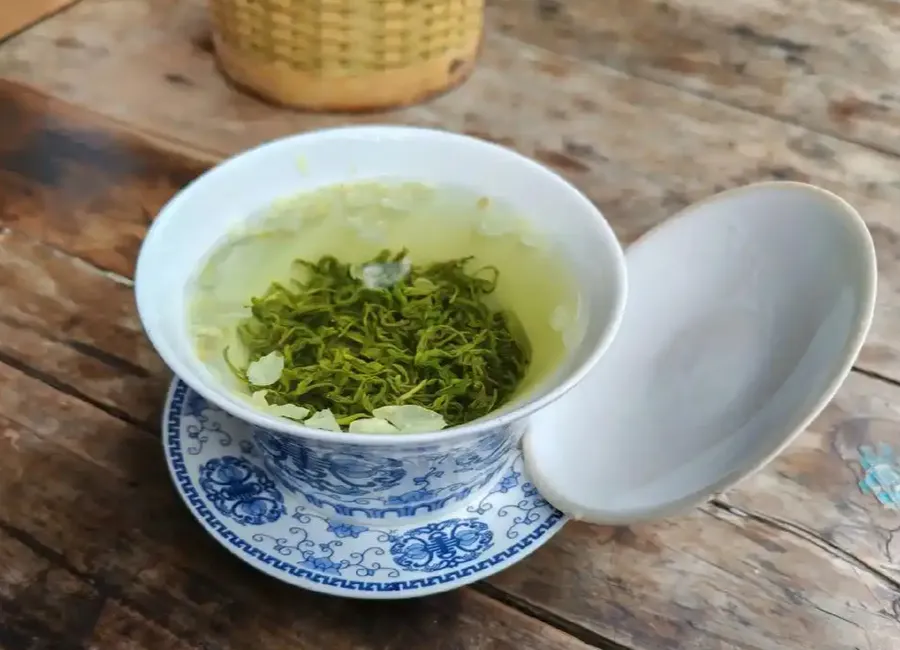
It's never too late to embark on a Sichuan food journey with friends, centered around spice! From the jasmine tea and mahjong sounds in Chengdu’s old teahouses, to the aroma of hot pot wafting from alleyways, and the beef soup at Leshan’s confluence of three rivers, to the fiery stoves of Zigong’s salt-benefited cuisine— we’ve curated a selection blending unique accommodations, gourmet experiences, and authentic Bashu charm. Here’s our travel itinerary.
Chengdu —— Leisurely Life and Spicy Flavors
Chengdu is a city that naturally slows you down. In the teahouses of Renmin Park, bamboo chairs, clay teacups, and the tools of ear-cleaning masters form the most iconic image of Chengdu. Elders chat and play cards, while young people sip tea and read books—the passage of time here feels stretched out.
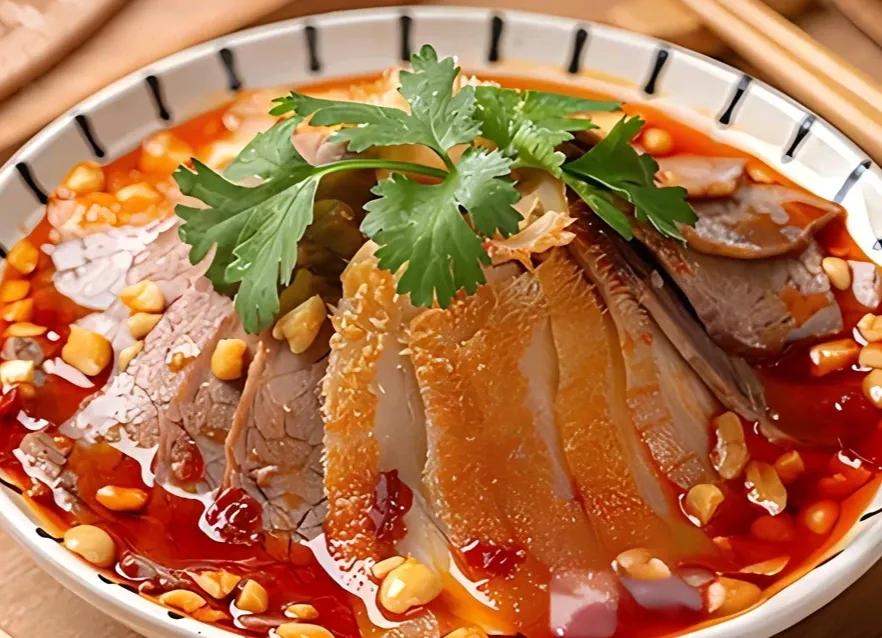
Yet Chengdu’s leisure is far from dull. The essence of Sichuan cuisine—‘one dish, one style; a hundred dishes, a hundred flavors’—is perfectly embodied here. The numbing heat of Mapo Tofu, the fiery spice of Husband and Wife Lung Slices, the sweet-sour balance of Kung Pao Chicken, and the rich sauce fragrance of Twice-Cooked Pork—each dish is a distinct world of taste. This pursuit of flavor stems from the thousand-year-old fertility and tranquility of the Chengdu Plain.
The streets of Chengdu offer another scene: small copper pans for egg buns steam gently, the sweet scent of tangy fruit balls fills the alleys, and queues always form at ice jelly stalls. Sweetness and spiciness alternate, keeping your palate constantly surprised.
Leshan —— The Philosophy of Freshness at the Confluence of Three Rivers
Leshan is surrounded by the Dadu River, Qingyi River, and Minjiang River. The rivers shaped the Leshan Giant Buddha and also nurtured a unique philosophy of freshness.
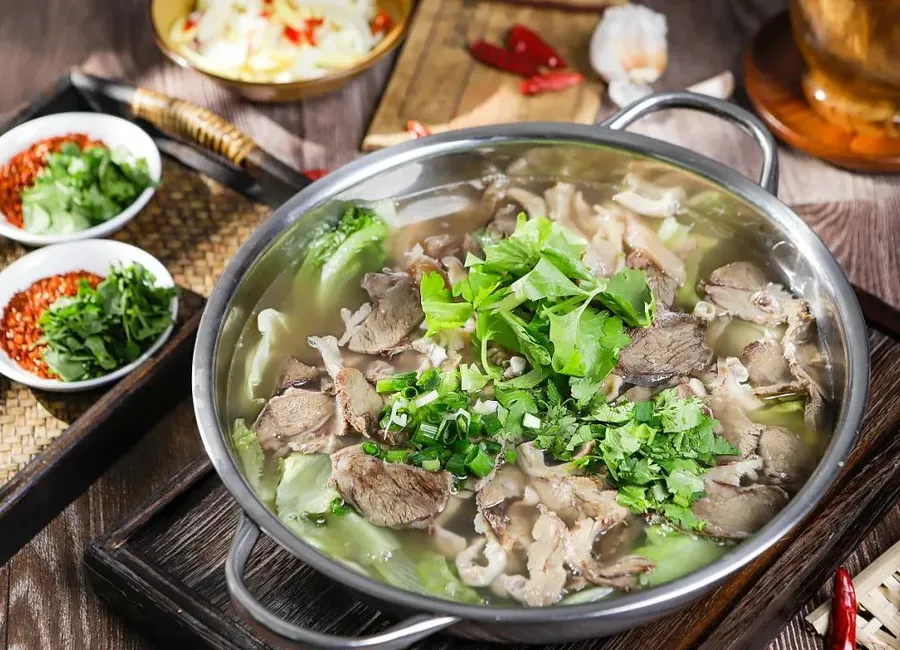
Qiāojiǎo Beef originated in Suji Town, initially a meal for dockworkers—offal cooked quickly in herbal beef bone broth and dipped in chili sauce. The rich depth of beef bones, the aromatic herbs, and the tender crispness of offal achieve perfect balance in the steaming broth. Now recognized as intangible cultural heritage, its soul still lives in old shops in Suji Town where the cauldrons boil day and night.
Sweet Skin Duck reflects Leshan’s understanding of sweetness: whole duck marinated, coated with malt sugar oil, then deep-fried until crispy skin and tender meat deliver a blend of sweet and salty. Add Pópó Chicken, tofu pudding, or Niúhuá Spicy Hot Pot—each seemingly simple, yet all require complex techniques.
Zigong —— Fiery and Delicate Salt-Benefited Cuisine
The spiciness of Zigong’s salt-benefited cuisine is direct and intense—tears flow as you keep reaching for your chopsticks. This trait stems from over two millennia of salt production history: salt workers laboring hundreds of meters underground needed high-oil, high-salt, high-spice food to replenish energy.
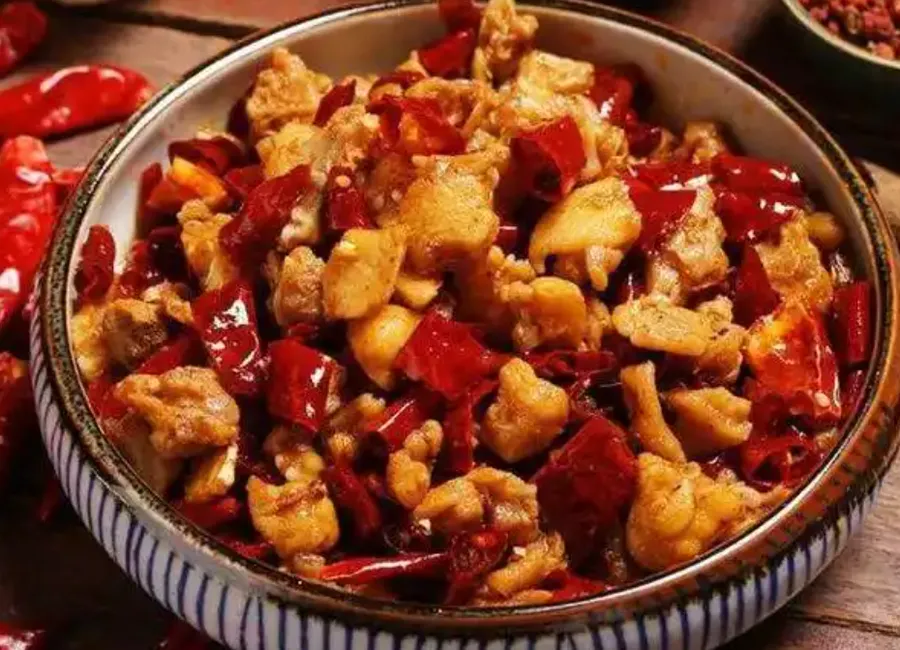
Cold-Prepared Rabbit: rabbit chunks stir-fried with dried chilies and Sichuan peppercorns, cooled before eating, becoming more fragrant with each chew. Originally a miner’s snack, now it’s the hometown taste of Zigong residents.
Qiaotou San Nen: tripe, liver slices, and stomach tips stir-fried over high heat for just three seconds—this demands precise control of temperature, a true artistry within Sichuan cuisine.
Fresh Pot Rabbit: ginger, green and red peppers, and fresh Sichuan pepper cooked with rabbit meat, producing a rich, spicy-savory broth. The correct way to enjoy it? Eat the rabbit meat first, then mix the broth with noodles.
Zigong’s spiciness records the history of a salt-producing city, carrying memories and emotions of salt workers.
Traditional Sichuan Cuisine —— The Philosophy of Hundred Dishes, Hundred Flavors
Many believe Sichuan cuisine is simply about spice—a misconception. True Sichuan cuisine emphasizes ‘one dish, one style; a hundred dishes, a hundred flavors,’ with twenty-four fundamental taste profiles.
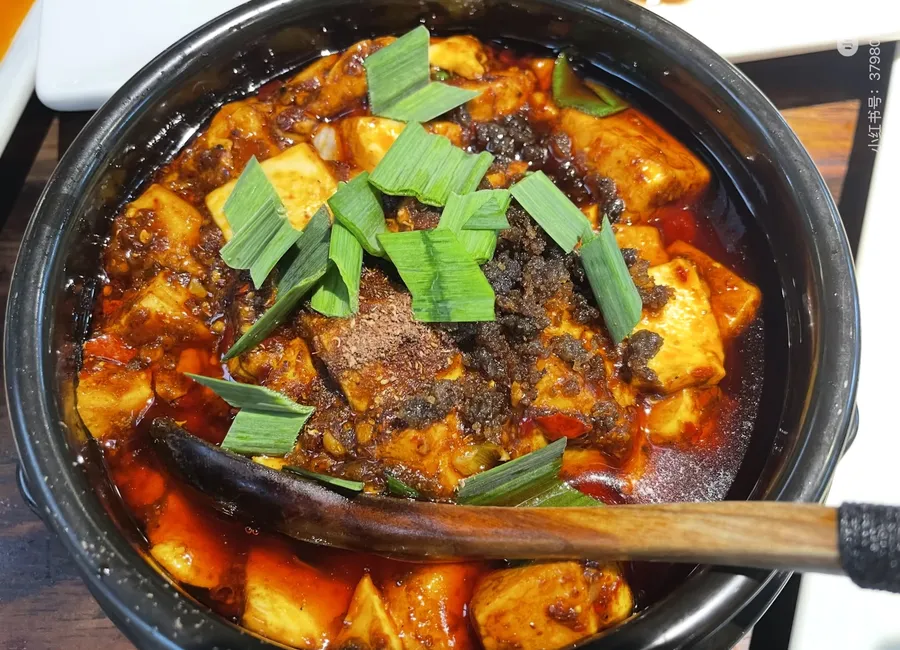
Mapo Tofu: the archetype of numbing-spicy flavor. Silky tofu, crispy minced beef, red oil from fermented black beans and doubanjiang coating the tofu, sprinkled with Sichuan pepper powder. The secret lies in balancing numbing and spiciness.
Kung Pao Chicken: a classic example of lychee flavor. Chicken cubes stir-fried quickly with peanuts, dried chilies, and scallions—sweet, sour, slightly spicy, unfolding layer by layer.
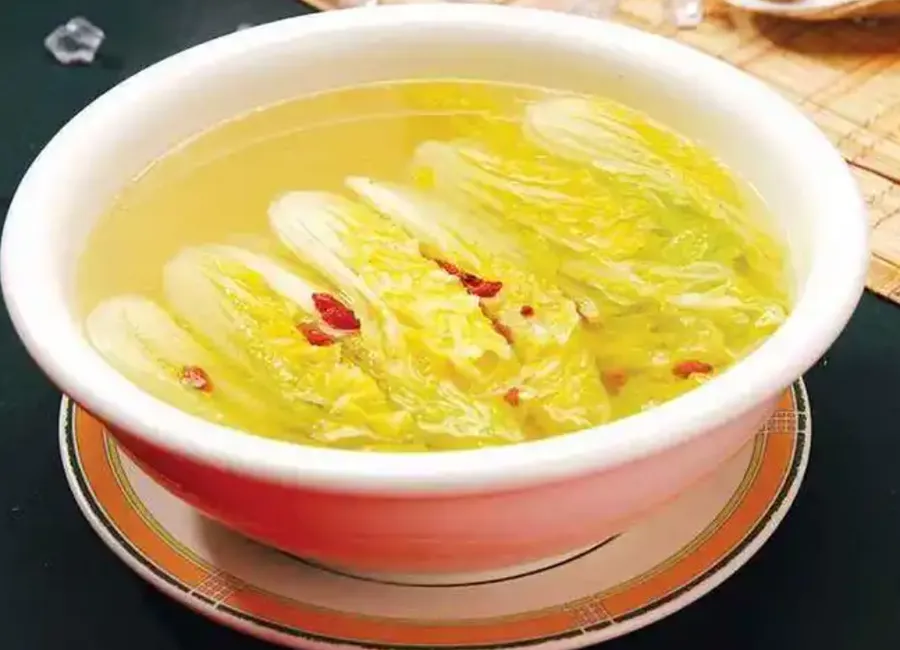
Fish-flavored Shredded Pork contains no fish; instead, it achieves a seafood-like taste through a combination of pickled chilies, ginger, garlic, sugar, and vinegar. Twice-Cooked Pork requires the pork slices to curl like lampshades, rich but not greasy. Clear Soup Bok Choy has a crystal-clear broth, yet it’s made by simmering chicken, duck, ribs, and ham for hours before filtering—deceptively light, yet deeply flavorful.
Traditional Sichuan cuisine never settles for a single taste; every dish seeks complexity and balance in flavor.
Hot Pot —— The Social Culture in the Nine-Square Grid
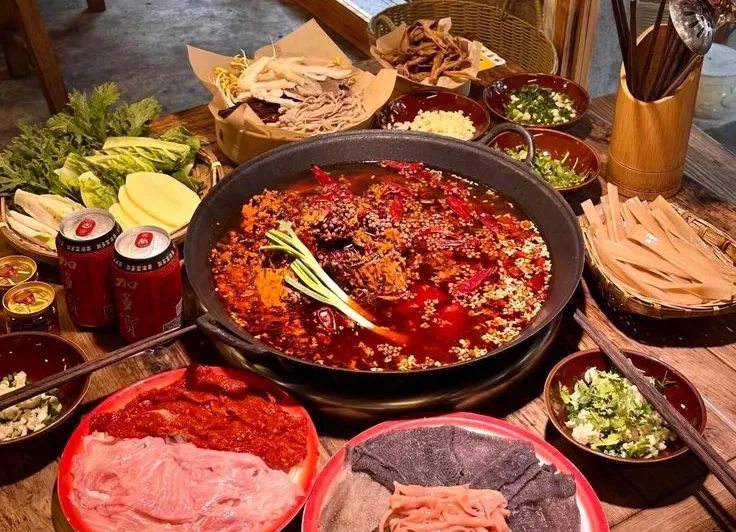
Hot pot is the most important social ritual for Sichuan people. Chengdu-style hot pot emphasizes the layered complexity of spices and broths—dozens of ingredients like star anise, cassia bark, cardamom, and cloves release their aromas in beef tallow, creating a deep, intricate fragrance.
The wisdom of the nine-square grid lies in zone-controlled temperatures: the center square has the strongest heat, ideal for quick-cooking items like tripe, duck intestine, and yellow throat; the eight surrounding squares have slightly weaker heat, perfect for longer-cooked foods like fish maw, brain, and tofu. Each ingredient comes out at its optimal moment.
The garlic and sesame oil dipping sauce also has its rules: garlic enhances flavor, sesame oil cools and reduces spiciness, soy sauce adds umami, and vinegar brings aroma. Never add sesame paste—Sichuan people believe it masks the authentic fragrance of the hot pot.
Hot pot has become a cultural symbol because it creates an equal and passionate space for connection. No matter who you are, sitting at the nine-square grid, boiling ingredients in bubbling red oil, clinking glasses and laughing—you’re all equal in this moment.
Street Food —— Sweetness and Spice in the Heart of Everyday Life
Sichuan’s streets are an endless feast of street food. No menus, no formal etiquette—just pushcarts, charcoal grills, and crowds waiting in line.
Egg Buns: a thin batter spread on a small copper pan, filled with cream, meat floss, or red bean paste, folded and eaten warm—crispy outside, soft inside. Sweetness is a universal language everyone understands.
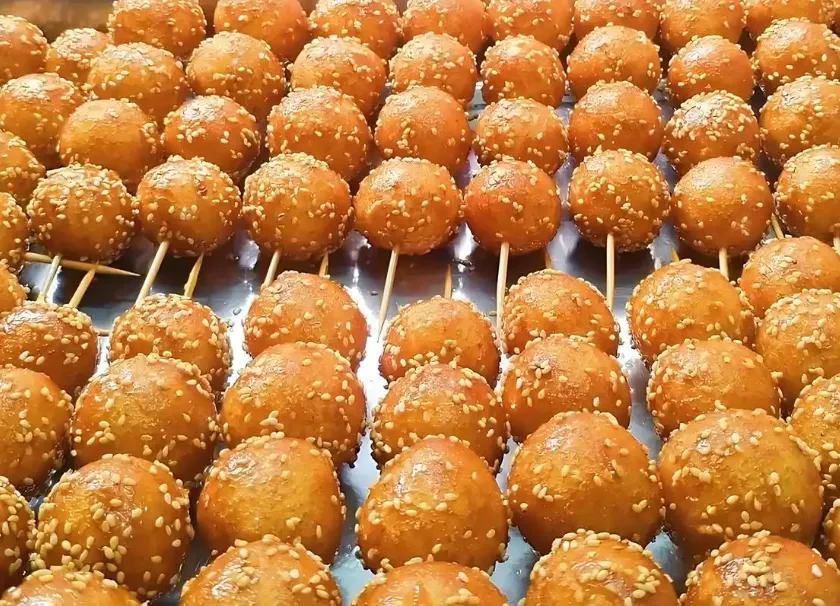
Tangy Fruit Balls: glutinous rice balls fried golden brown, coated with red sugar and sesame seeds—crispy outside, chewy inside, with sticky sugar threads.
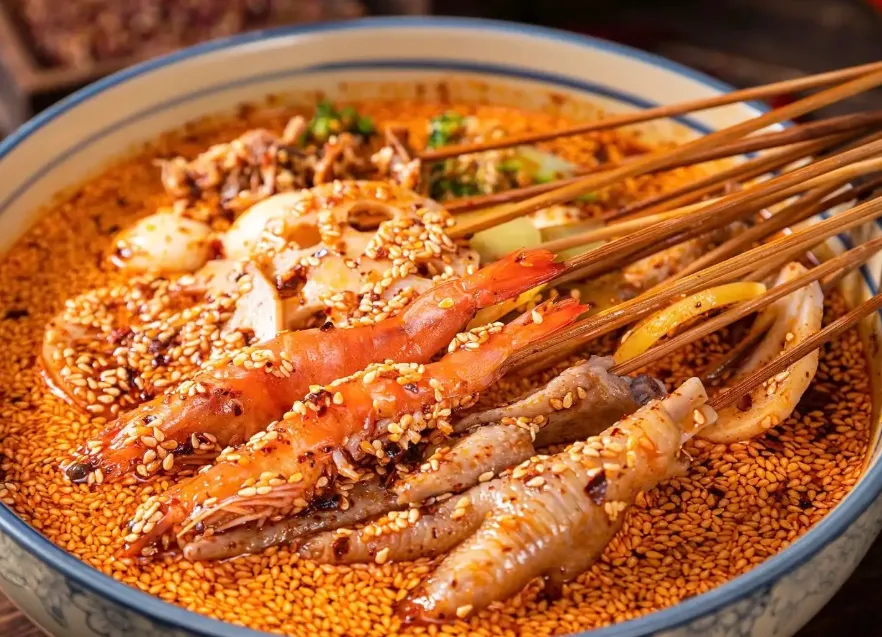
Pópó Chicken: cold skewers soaked in red oil or sanshui broth, ready to eat immediately. Mào Cài is like a ‘hot pot for one’—various ingredients boiled in spicy broth, served with a bowl of rice for a perfect simple meal.
The charm of street food lies in its randomness and vitality. You never know what flavor awaits around the next corner—this very uncertainty makes every exploration full of surprise.
Other Destinations —— Hidden Corners of Sichuan’s Culinary Map
Ya’an: Ya Fish has delicate flesh, simmered in a clay pot to produce a milky-white broth. Inside the fish head lies a bone shaped like a sword. Paired with Mengding Mountain Ganlu Tea, it cuts through grease.
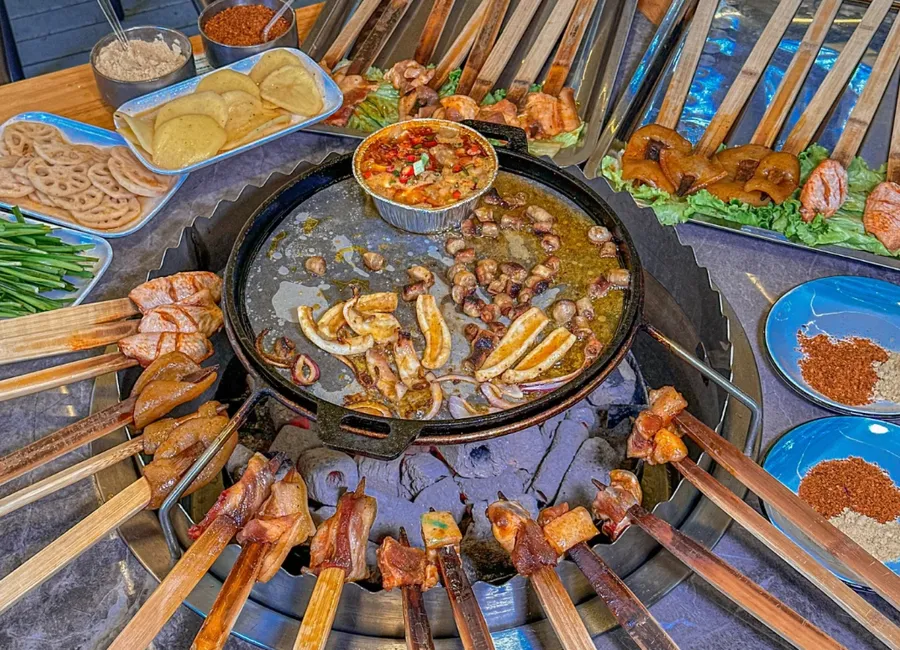
Xichang: Fire Pit Barbecue—large pieces of pork belly, small intestines, and beef grilled on iron grids, fat sizzling onto the coals. Enjoyed with the sunset over Qionghai Lake—raw and romantic.
Yibin: Li Zhuang White Meat is paper-thin, laid flat across a plate, eaten with garlic-chili sauce. Yanmian is dry-mixed—red oil, crushed peanuts, preserved vegetables, and green onions generously scattered on top.
Luzhou: Gulin Spicy Chicken—free-range chicken boiled, sliced, and drizzled with Sichuan pepper and chili oil—spicy, fragrant, and savory. Paired with Luzhou Laojiao Baijiu, it embodies the boldness of southern Sichuan.
The taste of Sichuan is like a giant jigsaw puzzle, with each city being an essential piece. Only by piecing them together can you understand why Sichuan people’s eyes sparkle when they talk about food.
Old Chengdu Market —— The Culinary Foundation of a City
To understand a city's food culture, you don't just need to visit restaurants; you also need to go to the market.
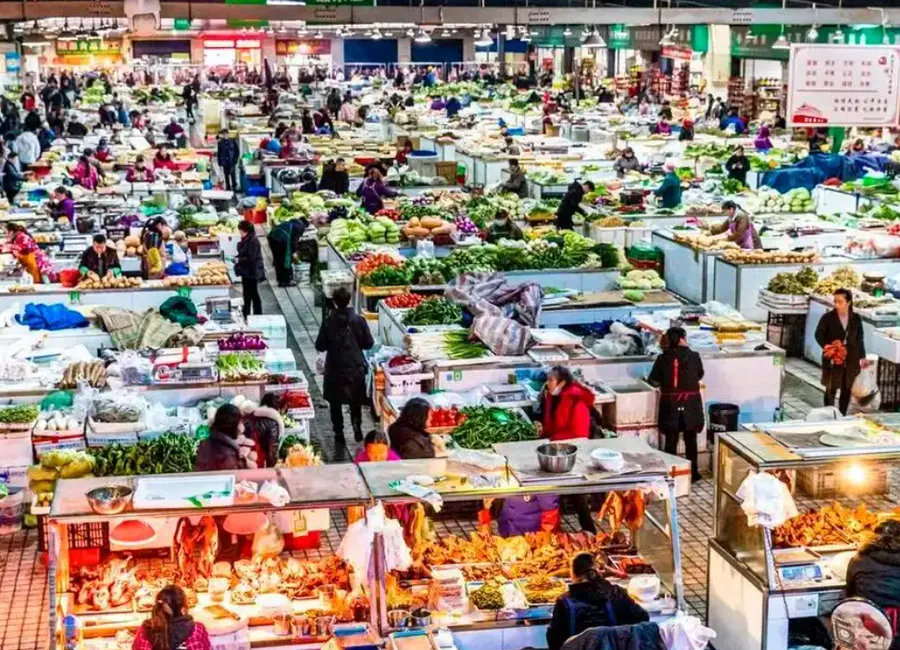
The Old City Market of Chengdu awakens before dawn. Fresh green leafy vegetables glisten with morning dew on the stalls, red chilies piled into small hills, purple eggplants neatly arranged, and bamboo baskets brimming with freshly dug peanuts. The air is a blend of earthy soil, sweet freshness of vegetables, savory aroma of preserved meats, and the deep red hue of pickled bean paste—the soul of Sichuan cuisine.
As you move deeper in, you'll witness the most authentic scenes of daily life: a butcher precisely slices pork belly while chatting casually with regular customers; an auntie lifts the lid of her pickle jar, releasing a tangy, sour fragrance; in a corner, an elderly man grinds Sichuan peppercorns on the spot, their spicy aroma drifting through the air. Each stall is a window, revealing the secrets behind Chengdu people’s dining table.
The market is also a social hub. People carry baskets, stopping at various stalls, haggling over prices in a lively chorus. They know which vendor offers the freshest produce, which brand of bean paste is most authentic—these are wisdoms passed down through generations.
Hidden treasures lie within: a modest corner may house a decades-old shop selling only handmade sweet rice noodles or red oil wontons. No sign, no menu—just a familiar face who remembers every regular customer’s taste.
After exploring the market, you can cook a Sichuan meal right away using your fresh ingredients, or enjoy breakfast there—perhaps a bowl of dan dan noodles, a meat-filled kuōkuí, and a cup of soy milk, sitting on plastic stools by the entrance, watching the ebb and flow of life. In this moment, you’re not a tourist—you’re part of the city.
Recommended activities

Deep Experience of Giant Panda Base and Local Culture
Visit the world's largest giant panda conservation base and experience daily entertainment life like a local resident.
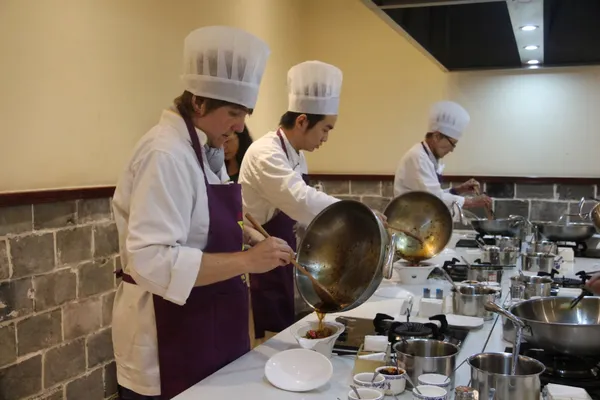
One-Day Sichuan Culinary Cooking Experience
Spend a day experiencing Sichuan cuisine, from traditional neighborhood markets to the Sichuan Cuisine Museum.
Contact us now to plan your private journey
We are available 7 days a week, 24 hours a day to provide you with high-quality, professional service.
Start planning
Scan with your phone to follow.