Skip to content
泸沽湖3

Lugu Lake

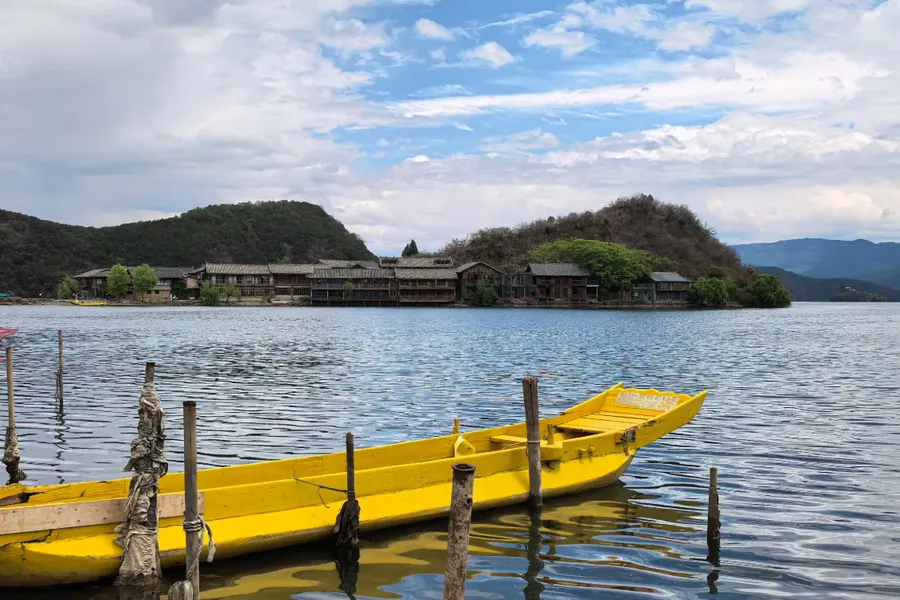
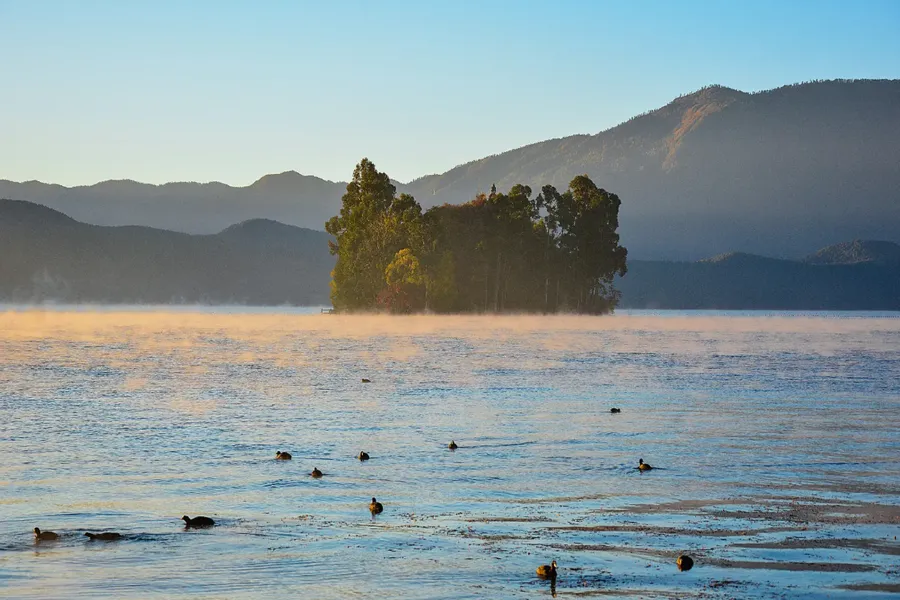
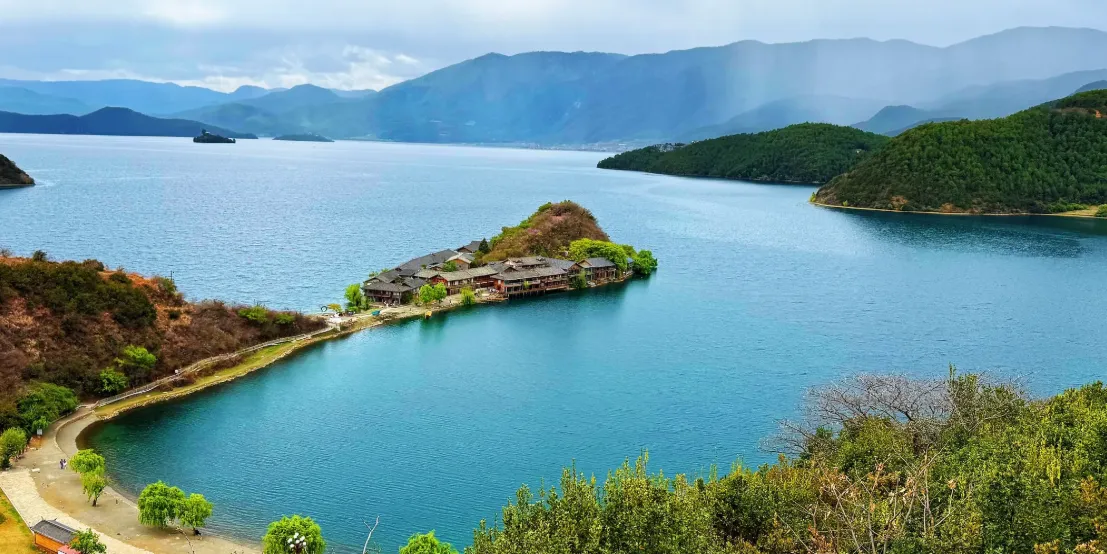
The highland gem at the border of Sichuan and Yunnan · The "Land of Daughters" of the Mosuo matrilineal society. Lugu Lake lies between Yanyuan County in Liangshan Prefecture, Sichuan Province, and Ninglang County in Lijiang City, Yunnan Province. With an elevation of approximately 2,690 meters above sea level, the entrance on the Sichuan side is located in Lugu Lake Town, Yanyuan County. The unique features of the area are shaped by the highland lake scenery and the Mosuo matrilineal culture. Unlike other scenic spots that rely on waterfalls, travertine formations, or strenuous hikes to famous mountains, Lugu Lake thrives on three elements: first, water—the lake’s waters remain a vivid blue year-round, with morning mist, water lilies blooming seasonally, and reeds flourishing in autumn and winter; second, culture—the Mosuo people’s matrilineal family structure, walking marriage customs, stilt houses, and bonfire singing sessions have earned them the title of "living fossil of human matrilineal society"; third, leisure—circling the lake takes about 68–70 kilometers, which can be explored through cycling, self-driving, walking, or taking a bamboo raft for segments. It offers a more relaxed experience than Jiuzhaigou or Huanglong, and requires less effort than Ebing.

Updated at:

Address
Lugu Lake Town, Yanyuan County, Liangshan Prefecture

Opening hours

Period Opens Closes Note
Scenic Area Opening Hours 08:00 18:00

Ticket info

Type Price Note
Adult 70¥

Service facilities

攻略配图2
Travel Essentials

China's visa-free entry policy

As of September 2026, China has opened 30-day visa-free entry for ordinary passport holders from 50 countries worldwide. This guide helps you quickly determine if you qualify for visa-free entry, understand the regulations, entry procedures, and important considerations.

Read guide
12306官网
Travel guide

12306 Guide – Complete Handbook for Foreign Travelers Purchasing Train (High-Speed Rail) Tickets in China

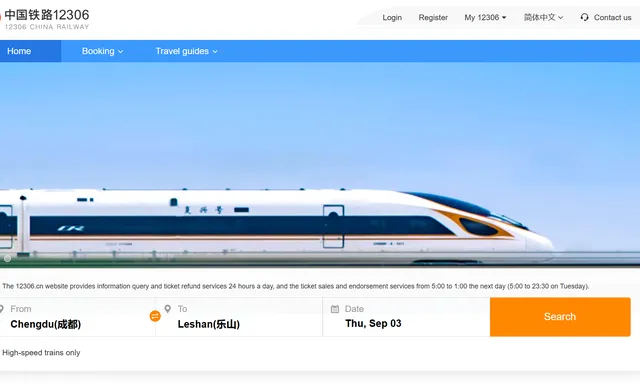
Welcome to China! China boasts one of the longest and most efficient high-speed rail networks in the world, making train travel an excellent way to explore this vast country. The official 12306 ticketing system may seem unfamiliar to first-time visitors from abroad, but this guide will walk you through every step—from account registration and identity verification to boarding—helping you travel smoothly across China.

Read guide
四姑娘山
Travel Tips

Western Sichuan Travel Guide

Western Sichuan refers to the plateau and mountainous regions in western Sichuan Province, China, mainly encompassing most areas of Aba Tibetan and Qiang Autonomous Prefecture and Garzê Tibetan Autonomous Prefecture. This region lies at the transition between the Qinghai-Tibet Plateau and the Sichuan Basin, renowned for its snow-capped mountains, grasslands, gorges, alpine lakes, and Tibetan culture. From Chengdu, visitors can experience dramatic landscape changes from plains to high altitudes within one or two days: the snowy peaks of Mount Siguniang, Tibetan villages in Damba, pastures in Xinduqiao, and sacred lakes and snow mountains in Daocheng Yading. Compared to Tibet, most standard routes in Western Sichuan do not require additional regional entry permits, and transportation is more convenient, making it a popular first destination for international travelers exploring high-altitude China. However, high elevation, complex road conditions, temporary traffic restrictions during peak travel seasons, and limited foreign language services in rural areas still require thorough planning in advance. This guide will sequentially cover how to reach the area, required documents, recommended trip duration, weather and clothing, internet and payment options, altitude sickness, scenic area visitor limits, cultural etiquette, and a packing checklist to help you enjoy a responsible, safe, and comfortable journey through Western Sichuan.

Read guide