Skip to content

Inspiration

Inspiration

Themed travel stories and inspirational articles to help you envision and plan your next journey.

theodor-lundqvist-6Ox3fPG-qvo-unsplash
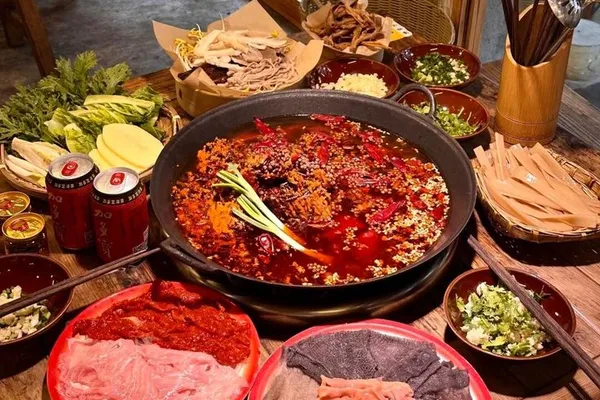
成都火锅

Explore local cuisine in the streets and alleys of Sichuan

It's never too late to embark on a Sichuan food journey with friends, centered around spice! From the jasmine tea and mahjong sounds in Chengdu’s old teahouses, to the aroma of hot pot wafting from alleyways, and the beef soup at Leshan’s confluence of three rivers, to the fiery stoves of Zigong’s salt-benefited cuisine— we’ve curated a selection blending unique accommodations, gourmet experiences, and authentic Bashu charm. Here’s our travel itinerary.

Culture Cuisine Life
蒙顶山2

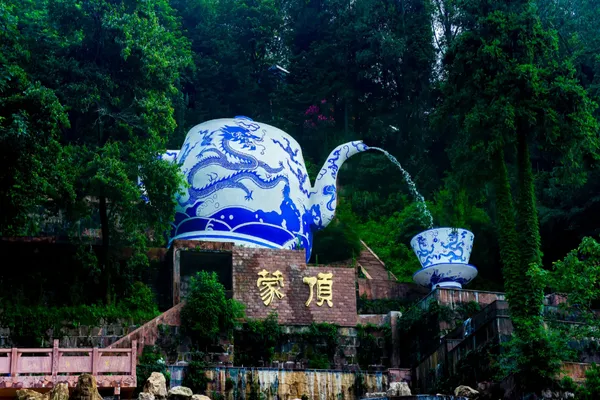
Mengding Tea

As we drove past Mingshan District, the scenery outside the window suddenly changed — on plains, terraces, and hillsides, rows of tea trees layered one upon another stretching toward the horizon. From high above, they resemble 'fingerprints of the earth,' revealing the secrets of this land. This is the Mengding Tea Region, a mountain 'built up by tea leaves.' After parking, we looked up and saw the giant 'World’s First Teapot' at the entrance of the scenic area, about 10 meters tall, with water flowing continuously from its spout. Some companions rushed excitedly to take photos, while I was stopped in my tracks by the couplet beside it: 'Water from the Heart of the Yangtze River, Tea from the Summit of Mengding' — these fourteen characters tell the story of tea that began in the Western Han Dynasty.

Culture Nature Cuisine Life
乐山2

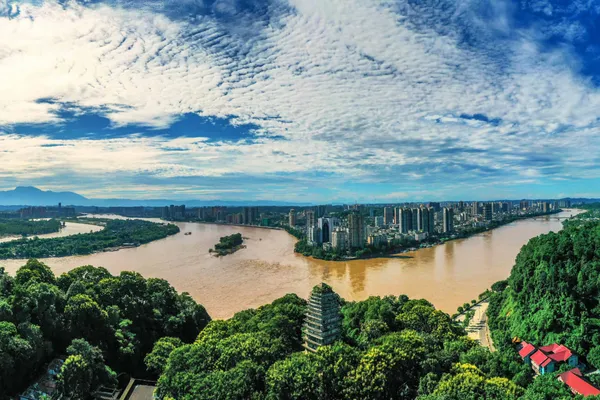
Leshan-Meishan Twin Cities Journey

From Chengdu, taking the high-speed train, you'll pass through two distinctly different Sichuan cities within forty minutes. One is Leshan, home to the world's largest stone Buddha; the other is Meishan, the hometown of Su Dongpo, China's most beloved ancient poet. These two cities are only twenty minutes apart by train, yet represent two seemingly contradictory but actually complementary aspects of the Sichuan spirit. A three-day itinerary might be enough to explore the scenery and savor the cuisine, but even deeper insights come from quietly touching upon the two attitudes Sichuan people hold toward fate.

Culture Cuisine Life